TUESDAY, MARCH 23 2026
April Earth Month in Nelson events – Judith Fearing, Earth Days Nelson
Nature can’t afford Carney, the banker. – Eric Reder, Wilderness Committee
Global water crisis talk in the Kootenays – Maude Barlow, Council of Canadians
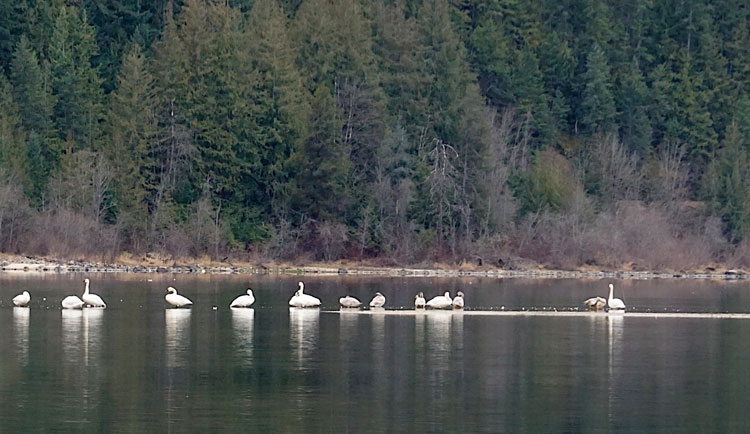
WHISTLER SWANS NOW OVER-WINTERING ON KOOTENAY LAKE WEST ARM. PHOTO: KWiley.
April is a big Earth month in Nelson with environmental events running all month long. Judith Fearing from Earth Days Nelson talks about some of the many exciting activities.
The West Kootenay Watershed Collaborative held its big World Water Day symposium held Nelson March 22. Keynote speaker, Maude Barlow detailed how water is becoming an increasingly scarce resource world-wide.
The Wilderness Committee’s Eric Reder says Canada and the world needs Mark Carney the Values environmentalist, not just Carney the banker.
The EcoCentric is hosted by Keith Wiley and Solita Work at Noon Tuesdays on Kootenay Coop Radio 93.5 FM in Nelson and area and around the world on KootenayCoopRadio.com. The show is rebroadcast Sunday mornings at 9. Find the audio link to this episode here: TheEcoCentricRadioShow.ca.
TUESDAY, MARCH 17 2026
Kitimat residents cope with noise, soot and light – The Narwhal’s Matt Simmons
Rosslanders win injunction stopping magnesium mine – Melanie Mercier, Save Record Ridge
War spikes oil prices, will inflation and chaos follow? – Economist Jim Stanford
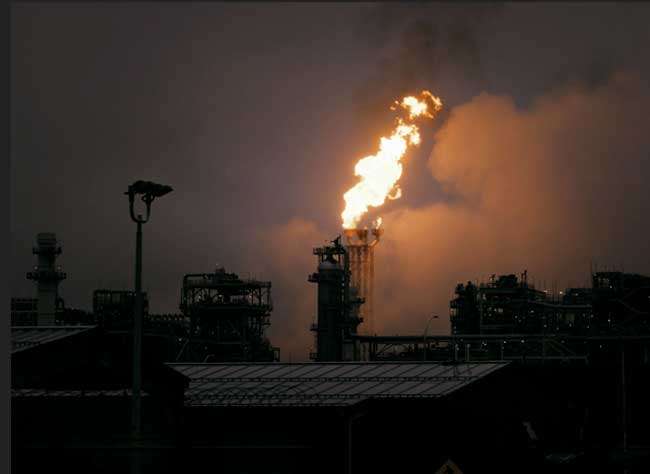
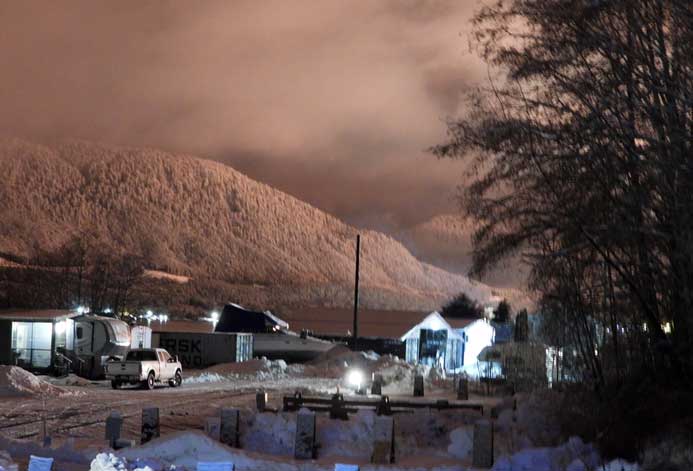
Some days 90 metre flames tower over Kitimat from the new LNG Canada plant. The noise and pollution is hard for locals, who want clarity on when it can be brought under control. Journalist Matt Simmons, with The Narwhal says rather than answers they have been getting more ‘gaslighting’.
The proposed open pit mine on Record Ridge overlooking Rossland has been slowed after a citizens group won a court injunction until their court case about their concerns about noise and dust gets more answers. Melanie Mercier from Save Record Ridge in Rossland talks about it.
Prices at the pump jumped almost immediately after missiles and bombs started flying over Iran. Stagnant oil prices last jumped like this back in 2022 when Russia attacked the Ukraine which set off a devastating inflation spiral. Economist Jim Stanford talks about the impact on affordability issues that could soon be worsening even further for Canadian families.
The EcoCentric is hosted by Keith Wiley and Solita Work at Noon Tuesdays on Kootenay Coop Radio 93.5 FM in Nelson and area and around the world on KootenayCoopRadio.com. The show is rebroadcast Sunday mornings at 9. After January 13 find the link to this episode here: TheEcoCentricRadioShow.ca.
TUESDAY, FEBRUARY 3, 2026
Roads and traffic impact on nature – American author Ben Goldfarb
Car and road pollution hurts – Dr. Monica Dutt, Canadian Association of Physicians for the Environment
Incessant Noise hurts, mostly from traffic – Ingrid Buday, No More Noise
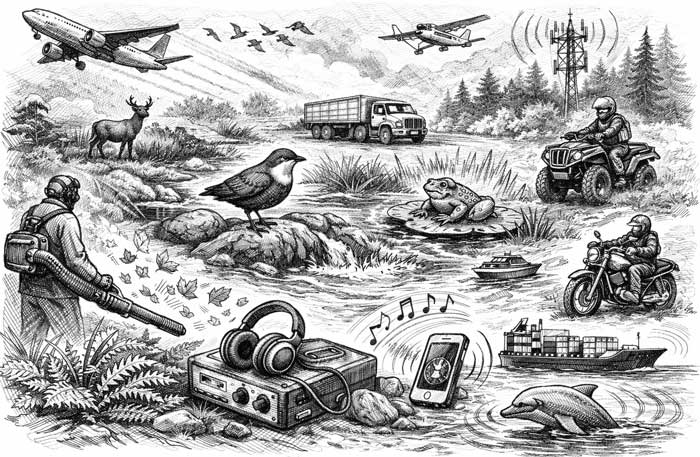
Solita Work hosts another look at the impact of roads and traffic on the planet, our environment and even our own health.
Ben Goldfarb is an American author of several books including Crossings: How Road Ecology Is Shaping The Future of Our Planet. Dr. Monica Dutt takes an interest in public health and the impacts of pollution, especially from cars. Ingrid Buday is the founder of No More Noise and works for safer sound environments.
The EcoCentric is hosted by Keith Wiley and Solita Work at Noon Tuesdays on Kootenay Coop Radio 93.5 FM in Nelson and area and around the world on KootenayCoopRadio.com. The show is rebroadcast Sunday mornings at 9. After January 13 find the link to this episode here: TheEcoCentricRadioShow.ca.
TUESDAY, JANUARY 27, 2026
Natural forests help reduce floods and disaster – hydrologist Dr. Younes Alila.
Canadians are NOT climate Doomers – Cara Pike, from ReClimate.ca
BC’s LNG gamble facing uncertainty – Dr. Andy Hira, Clean Energy Research Group
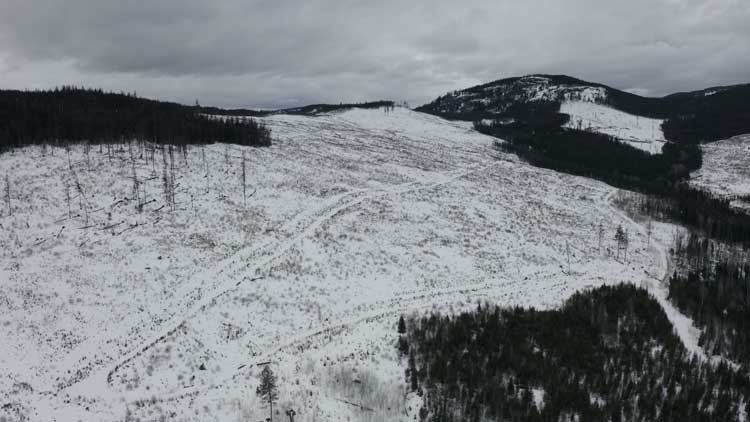
More flooding in BC as the province gets hit by heavy rains. UBC forest hydrology professor Dr. Younes Alila says intact ecosystem forests reduce risks from extreme climate events, including floods and landslides.
“Climate Doom” is a pretext some folks use for turning a blind eye to the climate emergency. But it’s fewer people in Canada than you might think. Cara Pike from ReClimate.ca says research shows the vast majority of Canadians want our country to be a climate champion.
Reuters News this week forecast lower LNG prices in 2026 and Shell and Mitsubishi are trying to sell off parts of their interest in the brand new Kitimat LNG liquefaction plan. Dr. Andy Hira from the Clean Energy Research Group at Simon Fraser University says the BC government huge investments in the sector are looking shaky.
The EcoCentric is hosted by Keith Wiley and Solita Work at Noon Tuesdays on Kootenay Coop Radio 93.5 FM in Nelson and area and around the world on KootenayCoopRadio.com. The show is rebroadcast Sunday mornings at 9. After January 13 find the link to this episode here: TheEcoCentricRadioShow.ca.
TUESDAY, JANUARY 13, 2026
Critiquing the Clean BC plan – Guy Dauncey from West Coast Climate Action Network.
Saving toads at Fish Lake – Wayne McCory, Vallahalla Wilderness Society.
Who’s afraid of AI? – Rachel Pettigrew, Canadian Centre For Policy Alternatives.

Early in December the report on the government-ordered review of the Clean BC climate plan, came out. Guy Dauncey one of the founders of the West Coast C
limate Action Network did a detailed analysis of the good, the not good, and the missed completely.
Toads migrate three times a year across Hwy 31 A up at Fish Lake between New Denver and Kaslo. Biologist Wayne McCrory has worked for years with many Valhalla Wilderness Volunteers to reduce the carnage when tens of thousands toadlets cross the highway in a wondrous mass migration.
AI is apparently everywhere, and nowhere, and a doom machine and the saviour of the planet. Keep everyone guessing seems to be destabilizing. Rachel Pettigrew from the Canadian Centre for Policy Alternatives, helped do an analysis of the promising, the burdensome and the dire outlooks. Keith suggests never give a name to an AI ‘friend’.
The EcoCentric is hosted by Keith Wiley and Solita Work at Noon Tuesdays on Kootenay Coop Radio 93.5 FM in Nelson and area and around the world on KootenayCoopRadio.com. The show is rebroadcast Sunday mornings at 9. After January 13 find the link to this episode here: TheEcoCentricRadioShow.ca.
TUESDAY, DECEMBER 16, 2025
Alberta energy deal dismantles Canadian climate policy – Keith Brooks, from Environmental Defence.
Tofino banned plastic single use bottles 1 litre and under this fall. – Lilly Woodrow from the Surfrider Foundation campaigned for the ban.
Filmmaker Daniel Pierce showed his investigative documentary, Trouble in the Headwaters, to Nelson back in September. He tells us about the film and what they learned about the Grand Forks flooding back in 2018.
The EcoCentric is hosted by Keith Wiley and Solita Work. Noon Tuesdays on Kootenay Coop Radio 93.5 FM in Nelson and area and around the world on KootenayCoopRadio.com. The show is rebroadcast Sunday mornings at 9. After December 16, find the link to this episode here: TheEcoCentricRadioShow.ca.
TUESDAY, NOVEMBER 11, 2026
David Suzuki to speak at Nelson forest rally, November 18th.
Forest activist Jennifer Houghton explains how watershed clearcuts can devastate communities.
Federal budget guts climate action, an economist explains.
{“id”:4061,”sizeSlug”:”full”,”linkDestination”:”none”} –>
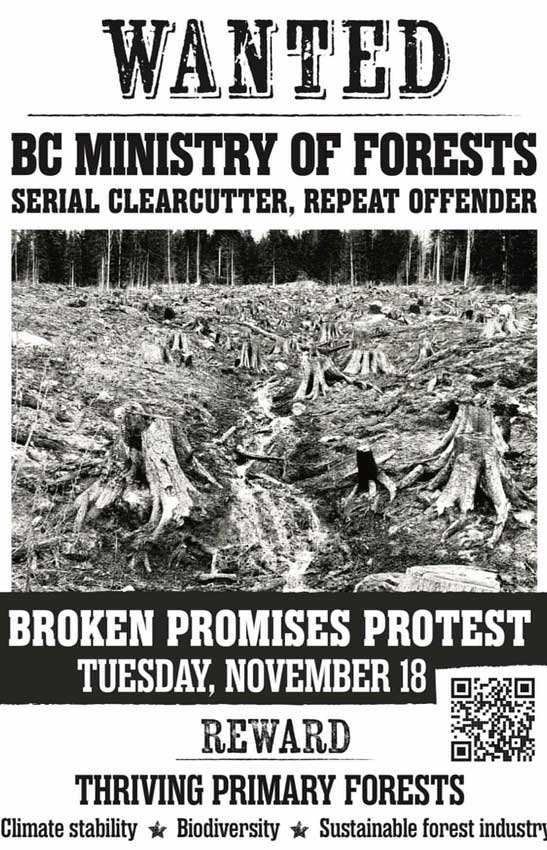
David Suzuki is coming to Nelson to speak at a rally to save old growth and primary forests on Tuesday, November 18th. It’s one of many of public protests happening right across the province. Joe Karthein with Save What’s Left tells us about it.
Jennifer Houghton, originally from Grand Forks, talks about how clear-cutting watersheds caused a flood of over one hundred houses, including hers, back in 2018. She explains how important intact watersheds are to the stability of our water systems.
Last week, the Carney Liberal government brought down its first budget and it was devastating for climate action in the country. It looks a lot like business-as-usual as economist Hadrian Mertins-Kirkwood tells us from the Canadian Centre for Policy Alternatives in Ottawa.
The EcoCentric is hosted by Keith Wiley and Solita Work. Noon Tuesdays on Kootenay Coop Radio 93.5 FM in Nelson and area and around the world on KootenayCoopRadio.com. The show is rebroadcast Sunday mornings at 9. After November 11, find the link to this episode here: TheEcoCentricRadioShow.ca.
TUESDAY, OCTOBER 28 2025
Forest ecologist Rachel Holt discusses what’s become of old growth and biodiversity big promises in BC.
Local therapist Richard Klein has released a new book on facing up to the climate crisis.
The global climate summit, the COP, is coming up in Brazil. The Climate Action Network gives us a preview.
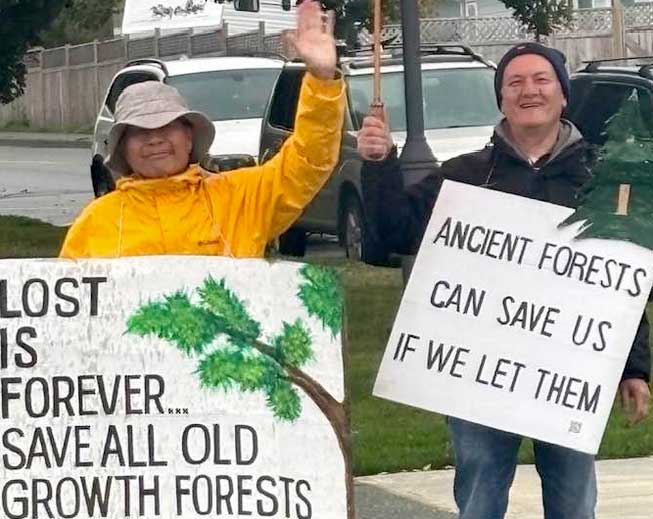
Local forest ecologist Rachel Holt helped the BC government map the dwindling old growth patches of forest that should be protected. This year, the BC government is even talking about logging in parks. Rachel gives us her update.
Facing up to the reality of the climate crisis, and what to do about it, is hard for everyone. Some folks simply refuse to believe it. Local therapist Richard Klein has written a new book on how to avoid climate-fear paralysis.
Expectations are low for the global climate summit, the COP, coming up in Brazil in a couple of weeks. Soomin Han from the Canadian Climate Action Network talks a bit about what we can expect, and Canada’s part in handling the crisis.
The EcoCentric is hosted by Keith Wiley and Solita Work. Noon Tuesdays on Kootenay Coop Radio 93.5 FM in Nelson and area and around the world on KootenayCoopRadio.com. The show is rebroadcast Sunday mornings at 9. After October 7, find the link to this episode here: TheEcoCentricRadioShow.ca.
TUESDAY, October 7, 2025
Rossland group takes Record Ridge mine assessment waiver to court. Large Kootenay dams could be threatened by earthquakes and landslides. Canadian governments jump on nuclear energy bandwagon, environmental critics baffled by decisions.
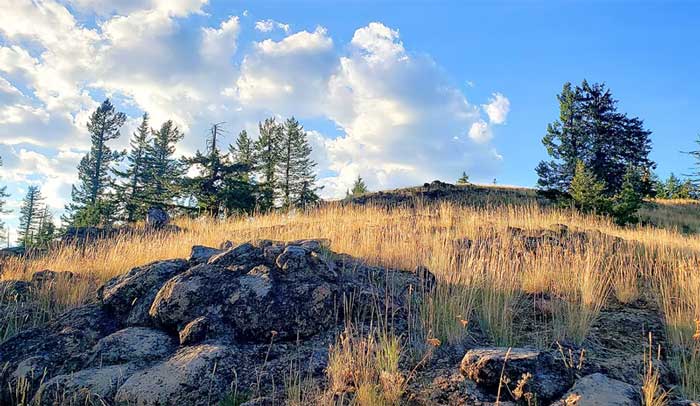
An open-pit magnesium mine proposed for Record Ridge just outside Rossland ducks environmental assessment. The Save Record Ridge citizen group seeking a judicial review of the decision to exempt the the mine from a normal evinronmental assessessment. Elissa Ferguson tells us about it.
The Mica dam on the Columbia is a giant earth structure an,the tallest dam in Canada, some 244 metres high, close to 1,000 feet. It holds back a massive volume of water. That water, if unleashed by a geological disaster could unleash a wave down the Columbia Valley that would threaten communities far past Trail. Donald Pharand from Invermere is bringing his research concerns to public events across the Kootenays.
The federal government recently announced tens of millions of dollars to bankroll studies on the viability of new nuclear power reactors to produce electricity, Some provinces have jumped on the bandwagon. Environmentalists are mainly concerned about toxic radiation from the nuclear industry but are also baffled by the apparent reappearance of an industry that had been dying off. Far too slow and costly, they point out. Angela Bischoff from the Ontario Clear Air alliance talks about the resuscitation of a nearly-dead nuclear industry.
The EcoCentric is hosted by Keith Wiley and Solita Work. Noon Tuesdays on Kootenay Coop Radio 93.5 FM in Nelson and area and around the world on KootenayCoopRadio.com. The show is rebroadcast Sunday mornings at 9. After October 7, find the link to this episode here: TheEcoCentricRadioShow.ca.
TUESDAY, September 16, 2025.
Tofino bans plastic bottles. 5 years later, old growth forests still under threat. Big ‘national’ projects, what we need?
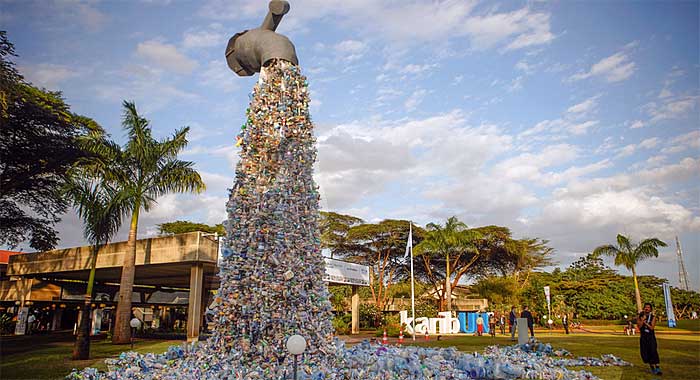
The District of Tofino was finally allowed by the province to put a ban on single use plastic bottles.
The Surfrider Foundation’s Lilly Woodrow tells us why they made the change.
It’s five years since BC’s Old Growth Strategic Review called for a paradigm shift in forestry and a moratorium on cutting old growth. Eddie Petryshen, a conservation specialists with Wildsight talks about the lack of progress on protecting our iconic forests.
Mark Carney announced big ‘nation-building’ projects, some of them expanding fossil fuels. Professor Andy Hira from Simon Fraser’s Clean Energy Research Group says fossil fuels are a drag on our economy, far from being nation building. He unpacks the major costs for us.
TUESDAY, July 8, 2025.
Your input into BC’s climate plan. Canadian wildfires cause huge emissions. “Renewable” gas plant planned for Fruitvale.

The BC government has undertaken a review of the province’s climate plan, CLEAN BC. West Coast Climate Action Network volunteers, Deb Morrison and Harry Crosby tell us why this is important and how we can take part.
The record 2023 Canadian wildfire season blew the doors off the country’s climate emissions. Forest fires pump huge pollution into the atmosphere. What does it mean for Canada’s climate targets? Unbelievably, not so much, as Ross Linden-Fraser from the Canadian Climate Institute reports.
It’s been in the works for years but news reports say a new biogas plant in Fruitvale may be close to starting construction. The plant will use wood waste to create ‘renewable natural gas’. Eoin Finn from Squamish has been following the “renewable” gas plan for years. He tells us what’s really problematic with the Fruitvale gas factory. Hint: it’s making yet more gas to burn!!
The EcoCentric is hosted by Keith Wiley and monthly by Solita Work. Noon Tuesdays on Kootenay Coop Radio 93.5 FM in Nelson and area and around the world on KootenayCoopRadio.com. The show is rebroadcast Sunday mornings at 9. After July 8, find the link to this episode here: TheEcoCentricRadioShow.ca.
TUESDAY, July 1, 2025.
Judith Fearing honoured with Suzy Hamilton Award. Canadian farmworkers face dangerous chemicals. Real world EV driving.
Nelson nurse Judith Fearing was presented recently with the Suzy Hamilton Legacy Award for a woman-identified Kootenay person who has made big contributions to environmental protection. Judith tells us a bit about herself and her work.
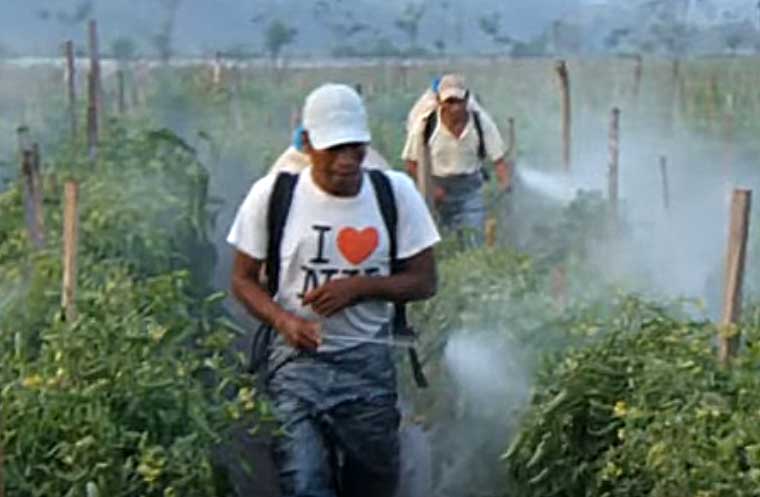
Many Canadian farmers-workers are exposed to a range of agricultural chemicals. Unlike workers in other industries, strict safety precautions are not often in place. United Food and Commercial Workers Union has teamed up with EcoJustice in a court case to require Health Canada to announce hazards and necessary protections for farming people. Lawyer Laura Bowman from EcoJustice tells us about what they are looking for.
Will Keith make it to Kelowna? Keith takes his new-to-him, low-range Electric Vehicle on a road trip. The first hump to get over: Paulsen Pass. Hear about his real world EV driving experience.
The EcoCentric is hosted by Keith Wiley and monthly by Solita Work. Noon Tuesdays on Kootenay Coop Radio 93.5 FM in Nelson and area and around the world on KootenayCoopRadio.com. The show is rebroadcast Sunday mornings at 9. Link to this show here: TheEcoCentricRadioShow.ca.
TUESDAY, June 10, 2025
Architect Lukas Armstrong tours us around the new Confluence Building. Liz McDowell from Stand.Earth tells us how real ‘nation-building’ projects and NOT harm.
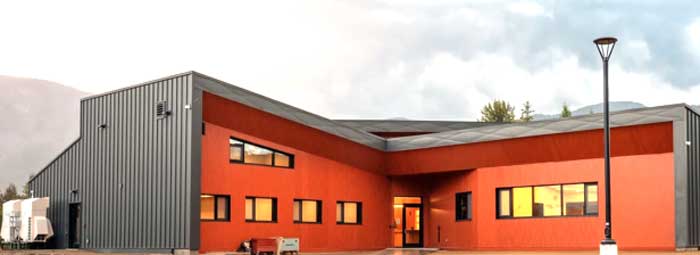
When the Castlegar Chamber of Commerce wanted a new showpiece building, they reached out to Lukas Armstrong from Stand Architecture who designed a highly efficient ‘passive house’ standard building. We toured it and learned about its many energy saving features. And we enjoyed the cool surroundings on the first 35 degree Kootenay day this season.
Prime Minister Mark Carney says he wants new ‘nation-building’ industrial projects… and many ideas that came forward include more oil and resource extraction. Liz McDowell a senior campaigns director at the Stand.Earth environmental organization says real nation building should also include nation healing. We talk about another approach other than rushing ahead with more digging and burning.
TUESDAY, MAY 27, 2025
Repeat show of some of the best recent interviews. Big changes in tone and direction for BC forest management. BC government apparently drops interest in cutting climate emissions. Visitor from Nelson, New Zealand says cycling is big in that Nelson, too.

Rachel Holt, is a local forest ecologist who has played a key role in forest conservation planning in the province. Rachel talks about emerging troubling announcements, and apparent changes in direction, in the BC government’s forest protection plans.
Dr. Shelley Luce, campaigns director with the Sierra Club of BC talks about the near total omission of climate and biodiversity protection goals in the recent Speech from the Throne, the outline of the new NDP government’s agenda.
Last year, Martin deRuyter, was in Nelson, BC, visiting here from Nelson, New Zealand. An avid rider himself he tells us how cycling and cycling infrastructure is booming in Nelson, New Zealand. Co-Host Solita Work was in on this interview too.
The EcoCentric is hosted by Keith Wiley and monthly by Solita Work. Noon Tuesdays on Kootenay Coop Radio 93.5 FM in Nelson and area and around the world on KootenayCoopRadio.com. The show is rebroadcast Sunday mornings at 9. Link to this show here: TheEcoCentricRadioShow.ca.
TUESDAY, May 13, 2025.
BC Green leader Jeremy Valeriote on failure of BC’s climate plan. What’s the forecast? What climate is in store for this Kootenay summer? World moving fast to renewables. BC follows.
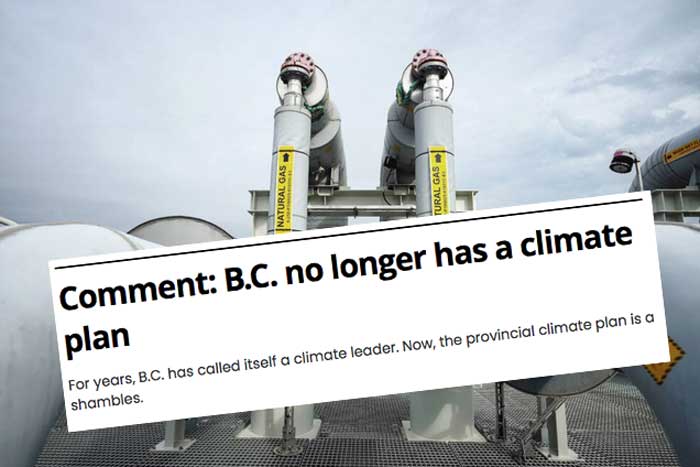
The BC government just announced there is NO hope of reaching its 2030 climate targets. Did they really try? Jeremy Valeriote, interim leader for the BC Greens calls for real leadership on bringing down climate pollution.
Low snow pack? Dry spring? What does the climate have in store for the West Kootenay this summer. Weather forecaster Jesse Ellis with the SouthEast Fire Centre talks about what it could look like.
The BC government has just announced a second call for proposals for 500,000 homes worth of clean energy. They say new technology, solar panels and wind turbines will make BC more competitive. Evan Pivnic, program manager with Clean Energy Canada tells us what the province is looking at.
The EcoCentric is hosted by Keith Wiley and monthly by Solita Work. Noon Tuesdays on Kootenay Coop Radio 93.5 FM in Nelson and area and around the world on KootenayCoopRadio.com. The show is rebroadcast Sunday mornings at 9. Link to this show here: TheEcoCentricRadioShow.ca.
TUESDAY, May 6, 2025.
Safety on BC highways, a major concern in the Kootenays.
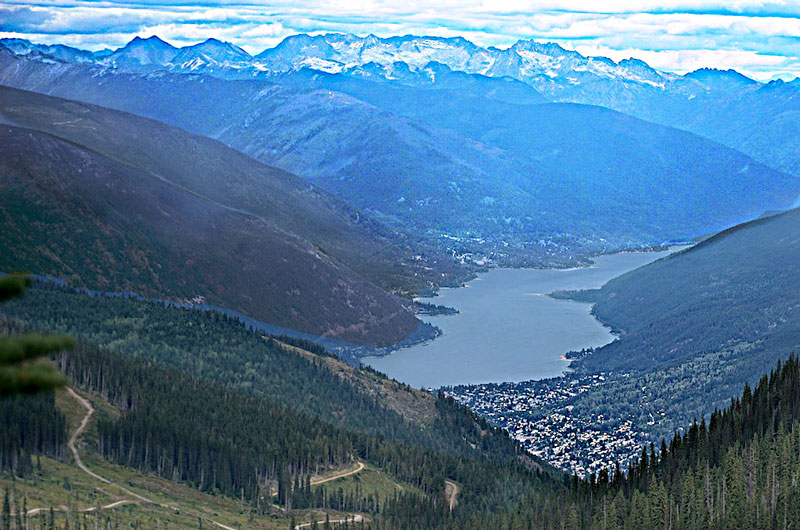
Co-host Solita Work helms another show on local transportation issues. Hundreds of people die on BC roads every year and over 70,000 get injured. The highways of the southern interior are some of the province’s most dangerous.
Dr. Jim Wiedrich, an ER doctor at the Kootenay Lake Hospital, discusses the impact of highway casualties on so many of us.
ICBC has a strong interest in reducing the human and material cost on our highways Christine Kirby works on road safety promotion here in southern BC. She tells us some of the hazards and the most important steps for highway safety.
The RCMP’s BC Highway Patrol group also shares the concern about safe behaviour on BC roads. Corporal Michael McLaughlin explains some of the risks, including, surprisingly, refusing to wear a seat belt.
The EcoCentric is hosted by Keith Wiley and monthly by Solita Work. Noon Tuesdays on Kootenay Coop Radio 93.5 FM in Nelson and area and around the world on KootenayCoopRadio.com. The show is rebroadcast Sunday mornings at 9. Link to this show here: TheEcoCentricRadioShow.ca.
TUESDAY, APRIL 29, 2025.
Election panel on the election results, local and national. Earth Week fun!
A panel of four local guests talks about the election result, and what happened in the historic vote on April 28.
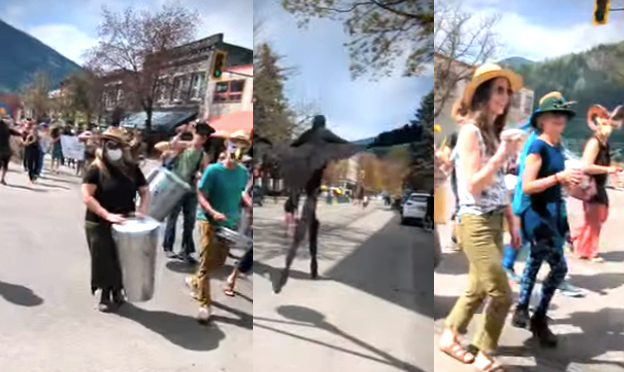
Earth Week in the West Kootenay just wrapped up on Sunday, with a big parade in Nelson. The EcoCentric was there and we hear from some of the folks enjoying the day.
Greg Amos with the Sue Big Oil campaign was at Earth Week parade too and he tells us the decision on whether Nelson will join the campaign is coming up at City Council on Tuesday, May 6.
The EcoCentric is hosted by Keith Wiley and monthly by Solita Work. Noon Tuesdays on Kootenay Coop Radio 93.5 FM in Nelson and area and around the world on KootenayCoopRadio.com. The show is rebroadcast Sunday mornings at 9. Link to this show here: TheEcoCentricRadioShow.ca.
TUESDAY, APRIL 15, 2025.
April 22, 2025. Celebrating Earth Day with more on Kootenay Earth Week events. Logging in BC Parks? Government talks about it at summit in Prince George. New report: low-carbon building materials can save money.

Happy 55th Annual Earth Day. The West Kootenay celebrates the beauty of our planet all week. Local volunteers Suzanne Simoni and Judith Fearing tell us more about all the events coming up this week.
Both the BC Forestry Minister and the Premier spoke at the logging summit in Prince George a couple of weeks back. Both promised more trees to cut to the industry, a lot more trees. Michelle Connolly from Conservation North in Prince George was there and has lots to say about the proposals to continue the clearcut of BC’s remaining natural forests.
“Embedded” carbon in the materials going into a new building can add 20 years worth of car driving’s emissions to the total carbon cost of construction. But Canadian industry is moving to cut that down and Clean Energy Canada spearheaded a report on it. One of the authors, Jena Albrecht tells us how building clean can save us money AND emissions.
The EcoCentric is hosted by Keith Wiley and monthly by Solita Work. Noon Tuesdays on Kootenay Coop Radio 93.5 FM in Nelson and area and around the world on KootenayCoopRadio.com. The show is rebroadcast Sunday mornings at 9. Link to this show here: TheEcoCentricRadioShow.ca.
TUESDAY, APRIL 15, 2025.
Nelson and District Youth Centre hosts Earth Week events. Eat, Think and VOTE, zoom event raises untouched election question. Councillor Leslie Payne on getting climate into the election.

The Nelson and District Youth Centre is hosting an Earth Week film festival and the big finish to the Sunday, April 27 Earth Week Parade. Colin Burwell from the Youth Centre and Tom Suddaby with the Nelson Youth Action Network tell us more.
While the trade pandemonium continues to rule the election, not much is being said about food security and even food sovereignty. Local Hanna Dwyer, a volunteer with the National Farmers Union and the Central Kootenay Food Policy Council. It’s on Earth Day, April 22nd and they have invited all the federal election candidates to join in for discussions about food.
Last week, over 120 local Mayors, and councillors met and agreed on a joint letter to federal politicians, Elbows Up For Climate. Nelson City Councillor Leslie Payne was one of them, and she tells us why local politicians think climate should come up in the election, and they have some great ideas for action.
The EcoCentric is hosted by Keith Wiley and monthly by Solita Work. Noon Tuesdays on Kootenay Coop Radio 93.5 FM in Nelson and area and around the world on KootenayCoopRadio.com. The show is rebroadcast Sunday mornings at 9. Listen anytime here: TheEcoCentricRadioShow.ca.
TUESDAY, MARCH 18, 2025
‘Salvage logging’ clearcut proposals threaten NE slope of Kootenay Lake. Trump suspends Columbia River Treaty signing. New film on pristine Kootenay wilderness lands
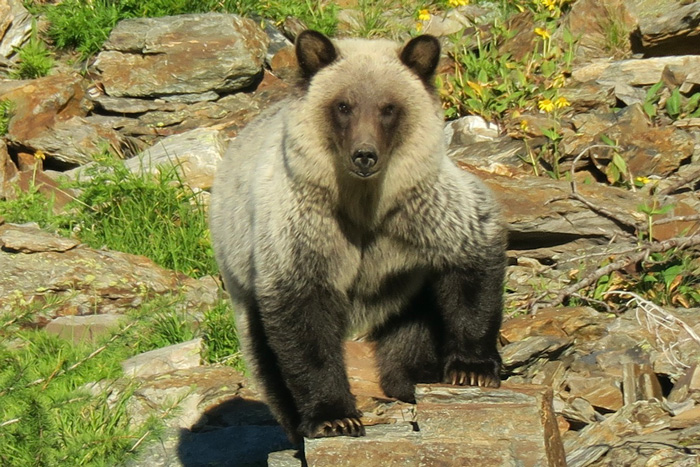
PHOTO: GARY DIERS, WILLETWILDERNESSFOREVER.CA
Last summer Argenta was menaced by a large wildfire north and east of the community. The fire burned a wide swath across the slopes of Mount Willet. Now logging companies are competing to get access to do what they call ‘salvage logging’ of the burn. Argenta resident Gary Diers tells us how the need to protect the whole slope above the Northeast corner of Kootenay Lake is now more urgent than ever. And about how he encountered a white grizzly.
Donald Trump has suspended the talks that had nearly concluded on a renewed Columbia River Treaty. A few days ago B.C. Energy Minister Adrian Dix held a Victoria news conference on how the province would respond to another wildcard move from the US President. TheNarwhal.ca journalist Shannon Water was there and tells us what’s at stake and what the province is saying.
Another stunning forest film from the Valhalla Wilderness Society portrays a hidden Kootenay temperate rainforest. Save Haven The Rainbow Jordan Wilderness is being shown around the province and in our area. Amber Peters from Valhalla Wilderness tells us a bit about the making of the film.
The EcoCentric is hosted by Keith Wiley and monthly by Solita Work. Noon Tuesdays on Kootenay Coop Radio 93.5 FM in Nelson and area and around the world on KootenayCoopRadio.com. The show is rebroadcast Sunday mornings at 9. Listen anytime here: TheEcoCentricRadioShow.ca.
TUESDAY, MARCH 11, 2025
Nelson’s plans for more active transportation development. Rural residents need transportation options. Wild roads, how to protect forestry service roads from the mess?
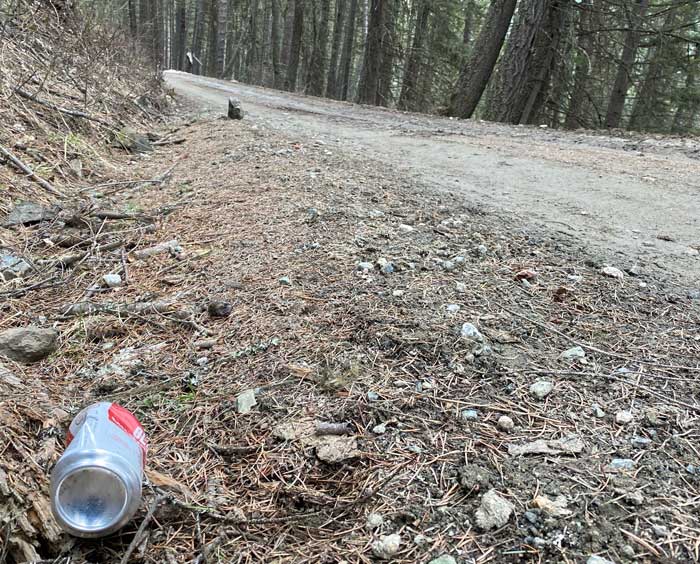
We have another look at transportation with co host Solita Work, coming up on the Tuesday, March 11, EcoCentric show on Kootenay Coop radio.
The Rosemont bike route has been stalled since it first went through planning and public meetings back in 2021. City planners Natalie Andrijanic and Sarah Shaw say its back on the agenda, along with other transportation options.
Drive up a wild country road and encounter a messy pile of garbage? Dr. Jacqueline Stoeckler from the Kootenay Watershed says we can do more to protect the back country and watersheds.
In rural BC, most people have little choice but to run their own vehicle, which costs Canadians on average over $10,000. Venkatesh Gopal from Movmi in Vancouver is an advocate of shared mobility and more options for folks.
The EcoCentric is hosted by Keith Wiley and monthly by Solita Work. Noon Tuesdays on Kootenay Coop Radio 93.5 FM in Nelson and area and around the world on KootenayCoopRadio.com. The show is rebroadcast Sunday mornings at 9. Listen anytime here: TheEcoCentricRadioShow.ca.
TUESDAY, FEBRUARY 11, 2025 ECOCENTRIC
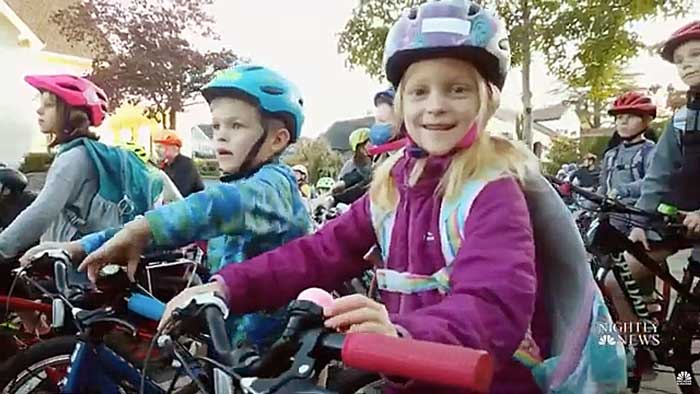
THE BIKE BUS: A FUN, SAFE, EMISSION-FREE WAY TO GET TO SCHOOL.
Human powered fun and recreation is the theme of this week’s show. Sam Balto from the USA tells us how to start a Bike Bus – an organized group of kids who cycle together to school. Nelsonite, Moe Nadaeu will be telling us all about an upcoming women’s only bike packing workshop serie. Abby Wilson will be presenting her new publication the West Kootenay Hiking guidebook.
The EcoCentric is hosted by Keith Wiley and monthly by Solita Work. Noon Tuesdays on Kootenay Coop Radio 93.5 FM in Nelson and area and around the world on KootenayCoopRadio.com. The show is rebroadcast Sunday mornings at 9. Listen anytime here: TheEcoCentricRadioShow.ca.

Anna and Eloise Charest rescue of children from Cambodia in 1975.
Remembering Eloise Charest, with Tom Prior. Report card on BC’s climate action: some failing grades. Pity the poor carbon tax.
Local forest-defending activist Tom Prior comes on The EcoCentric this week to talk about his long-time friend Eloise Charest from Kaslo, who died just recently. Tom’s remembrance is a moving to tribute to a woman he describes as “fearless”.
BC has long prided itself on being a climate leader, but how are we really doing? The BC Climate Emergency Campaign produces an annual report card on ten measures of effectiveness on climate. Emiko Newman from the campaign tells us about this year’s report, and some failing grades for BC on climate.
You can’t see any political news in Canada these days without mention of the carbon tax, and the “carbon tax election” the Conservatives are gunning for. Ottawa economist Hadrian Mertins-Kirkwood from the Canadian Centre for Policy Alternatives talks about this much maligned approach to bringing down climate pollution, and why it’s such a lightning rod.
The EcoCentric is hosted by Keith Wiley and monthly by Solita Work. Noon Tuesdays on Kootenay Coop Radio 93.5 FM in Nelson and area and around the world on KootenayCoopRadio.com. The show is rebroadcast Sunday mornings at 9. Listen anytime here: TheEcoCentricRadioShow.ca.

January 14, 2024. The EcoCentric
Sue Big Oil campaign presents at RDCK. Toxic chemicals and children’s health.
LA fires and the way ahead.
Greg Amos, volunteer with the Kootenay Sue Big Oil team talks about the progress so far and the presentation to the Regional District of the Central Kootenay Board at 9 am Thursday, January 16th. Cassie Barker from Environmental Defence tells us about a new report showing 350,000 industrial chemicals have a dire impact on children’s health, and need better oversize. What do the LA fires mean for all our futures?
The EcoCentric is hosted by Keith Wiley and monthly by Solita Work. Noon Tuesdays on Kootenay Coop Radio 93.5 FM in Nelson and area and around the world on KootenayCoopRadio.com. The show is rebroadcast Sunday mornings at 9. Listen anytime here: TheEcoCentricRadioShow.ca.

January 7, 2025 EcoCentric
Intercity buses, courier-share parcel services and innovative transportation business ideas
We have another look at transportation with co host Solita Work, coming up on the Tuesday, January 7 EcoCentric on Kootenay Coop radio.
Alastair Craighead from Better Island Transit talks about how the bus service issues on the Island are very similar to those faced in the West Kootenay… extremely low levels of inter community buses.
GoShare is an American app business that offers fast parcel delivery and even full moving services. We speak with Shaun Savage about how it’s competing with Fedex and UPS.
Dave Damer is a Nelsonite who works with the National Research Council on innovative business ideas. Solita asks him about the feasibility of a GoShare model for parcels and goods in Canada too.
The EcoCentric is hosted by Keith Wiley and monthly by Solita Work. Noon Tuesdays on Kootenay Coop Radio 93.5 FM in Nelson and area and around the world on KootenayCoopRadio.com. The show is rebroadcast Sunday mornings at 9. Listen anytime here: TheEcoCentricRadioShow.ca.
UNEP/Cyril Villemain A 30-foot high monument entitled Turn off the plastics tap by Canadian activist and artist Benjamin von Wong was exhibited at the UN Environment Assembly in Nairobi, Kenya, in 2022.
Nelson local Ben Simoni is the executive director of Youth Climate Corps BC and now there is a big push on to take the Youth Climate Corps program nation-wide. The Youth Climate Corps idea started here in the Kootenays and Ben tells us about what it could do nationally!
The global negotiations to control plastic pollution failed to reach a treaty in Busan Korea this week. Melissa Gorrie from EcoJustice here in Canada attended the Busan meetings and gives us a report from the conference.
Vancouver City Council narrowly voted to keep its ban on installing more methane gas heating in new buildings last week. Organizer Paige Gorsak from Dogwood BC talks about the grassroots pressure that helped keep Vancouver from back-sliding on the move to cleaner energy.
The EcoCentric is hosted by Keith Wiley and monthly by Solita Work. Noon Tuesdays on Kootenay Coop Radio 93.5 FM in Nelson and area and around the world on KootenayCoopRadio.com. The show is rebroadcast Sunday mornings at 9. Listen anytime here: TheEcoCentricRadioShow.ca.
The EcoCentric, Tuesday, November 26th. Safer biking, Taghum Hall and rural transit around the world.

Solita Work from the West Kootenay Cycling Coalition co-hosts the show. President Peter Ladner tells us why BC’s cycling coalition wants lower speed limits. Anne de Grace talks about Taghum Hall as a community centre. Rural transport in other countries is often easier than here. Alex Leffellaar talks about how he’s travelled.
The EcoCentric is hosted by Keith Wiley and monthly by Solita Work. Noon Tuesdays on Kootenay Coop Radio 93.5 FM in Nelson and area and around the world on KootenayCoopRadio.com. The show is rebroadcast Sunday mornings at 9. Listen anytime here: TheEcoCentricRadioShow.ca.
November 19, 2024. Dangers of salvage logging in wildfires, resisting another LNG pipeline, COP29 criticized and hemlock syrup
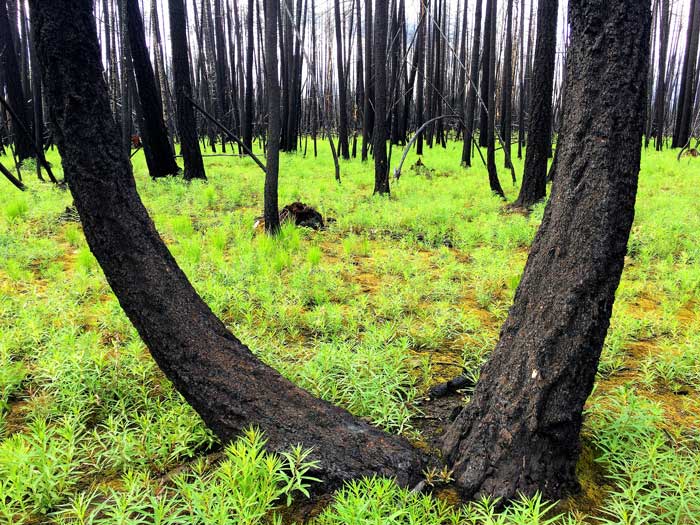
Forest scientist Michelle Connolly from the Conservation North group in Prince George comes to visit the Kootenay communities of Argenta and Slocan Lake this week to warn about what salvage logging can do in recent wildfire burns. Another gas pipeline in northern BC, the Prince Rupert Gas Trunk is already embattled and Kai Nagata from Dogwood BC gives us an update on how folks can turn it back. We have clips from Greta Thunberg, Al Gore and others at COP29 in Azerbaijan which came under harsh criticism this week. Phil talks about local work with keeping trees healthy and making hemlock syrup.
The EcoCentric is hosted by Keith Wiley and monthly by Solita Work. Noon Tuesdays on Kootenay Coop Radio 93.5 FM in Nelson and area and around the world on KootenayCoopRadio.com. The show is rebroadcast Sunday mornings at 9. Listen anytime here: TheEcoCentricRadioShow.ca.
November 12, 2024. Herb Hammond on cities, Serkirk College Tedx event
and Canada announces oil and gas caps.
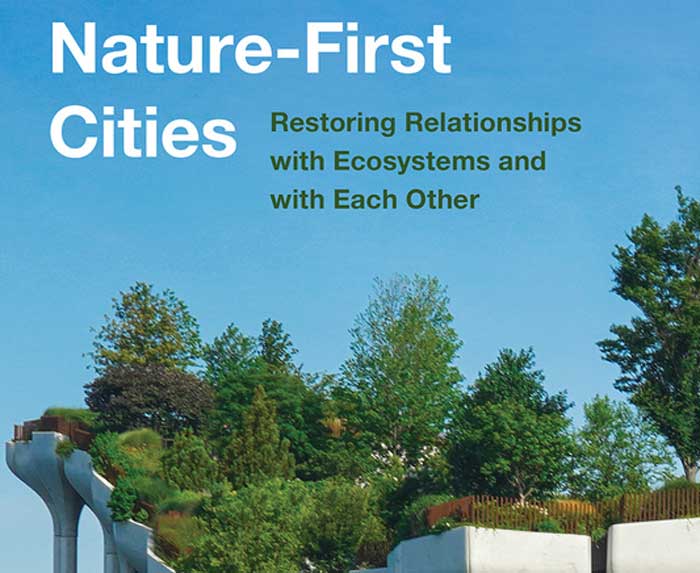
Herb Hammond the Slocan Valley forest ecology scientist has ventured far beyond the forests with a new book, Nature First Cities. He tells us how he and his co-authors outline ways cities can improve quality of life, reduce pollution and even reduce the impacts of the climate crisis.
Last week Ottawa announced its long-delayed plan for caps (limits) on greenhouse gas pollution from the oil and gas industry.
Aly Hyder Ali from Environmental Defence in Ottawa tells us more about the proposed limits on oil and gas pollution.
Selkirk College’s annual Tedx Countdown event on local climate action is coming up on Wednesday, November 20th. Kayla Tillabaugh the Sustainability College and Steven Cretney from the West Kootenay Climate talk about event and the speakers.
The EcoCentric is hosted by Keith Wiley and monthly by Solita Work. Noon Tuesdays on Kootenay Coop Radio 93.5 FM in Nelson and area and around the world on KootenayCoopRadio.com. The show is rebroadcast Sunday mornings at 9. Listen anytime here: TheEcoCentricRadioShow.ca.
October 1, 2024 Cycling report from Nelson, New Zealand. RDCK hears about Castlegar-Nelson pathway proposal, new local documentary about restoring a Kootenay wetland.
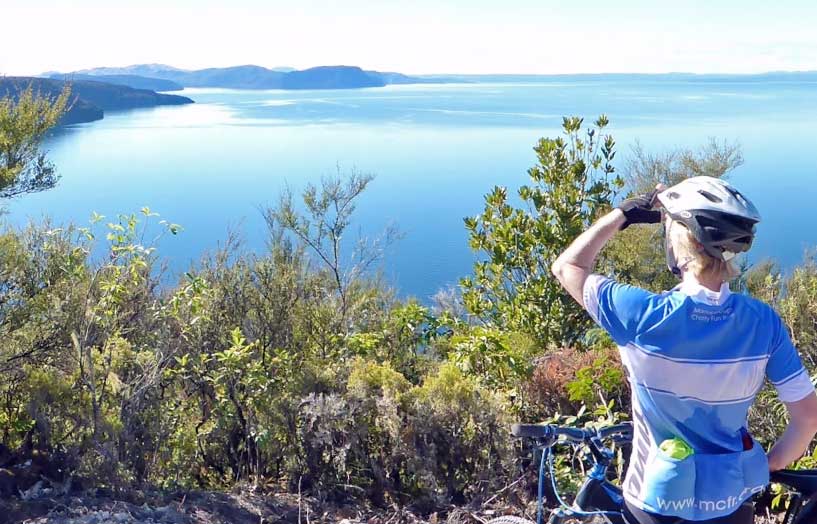
On the October 1st EcoCentric we have guests in town from Nelson, New Zealand who tell us how cycling and cycling infrastructure is going there. The word from Blewett on putting a foot and cycle bridge at Taghum. Solita Work reports on the Regional District of the Central Kootenay response to the new Castlegar-Nelson corridor proposal. And, we hear about the new local documentary about restoring a wetland and relationship: Snk’Mip (Sink Meep): Dig Deeper. Lorna Visser from the Valhalla Foundation for Ecology and KL Kivi tell us about it.
The EcoCentric is hosted by Keith Wiley and monthly by Solita Work. Noon Tuesdays on Kootenay Coop Radio 93.5 FM in Nelson and area and around the world on KootenayCoopRadio.com. The show is rebroadcast Sunday mornings at 9. Listen anytime here: TheEcoCentricRadioShow.ca.
May 28, 2024. Wildcrafting plants. Kootenay Resilience Festival. Handcrafted bikes.

Oxeye daisy leaves can make a great salad. We hear about it from local wildcrafter Keith Davis who led a forest workshop on plants we can eat and use as medicines. The Resilience Festival is coming up over four months this summer in Kaslo, Jean-Marc La Flamme tells us all about that. Kevin Armstrong comes on to talk about he Homegrown Bike Show about handmade bicycles.
Listen on Kootenay Coop Radio, Noon Tuesdays and 9 am Sundays. Or listen anytime at: TheEcoCentricRadioshow.CA
May 7, 2024. Noise pollution, why it hurts and who’s doing something about it. Canada releases 2022 climate pollution numbers: they are UP.

The harms of too much noise are being recognized more widely, like air pollution in the 1960s. Dr. Hugh Davis from UBC tells us about the health science and more. Ingrid Buday from No More Noise Toronto has been working to get change in noise control in the big city. Canada finally released 2022 climate pollution numbers and Aly Hyder Ali from Environmental Defence in Ottawa explains what’s being reported.
Listen on Kootenay Coop Radio, Noon Tuesdays and 9 am Sundays. Or listen anytime on Kootenay Coop Radio at: TheEcoCentricRadioshow.CA
April 30, 2024. A Calgary bike store that specializes in family and commuting bikes. Kootenay Rideshare, a local tradition for getting around when there is NO bus.
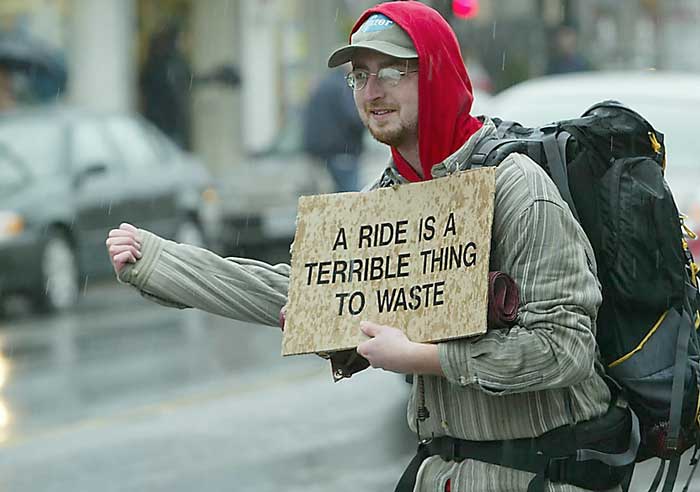
Co-Host Solita Work looks a the Kootenay Ride-share, a real alternative way to get around. The BikeBike shop in Calgary is an alternative bike store, all about practical vehicles to get people, and families around day-to-day.
Listen on Kootenay Coop Radio, Noon Tuesdays and 9 am Sundays. Or listen anytime on Kootenay Coop Radio at: TheEcoCentricRadioshow.CA
April 23, 2024. BC’s drought and the Columbia Treaty negotiations. Tzeporah Berman speaking in Nelson. Hear about the Climate-Aligned Finance Act.

SPEAKING AT NELSON CAPITOL THEATRE MAY 1
More on the Columbia River Treaty negotiations and the impacts of the BC drought from local scientist Greg Utzig. Utzig was the featured guest at the West Kootenay Climate Hub webinarApril 19th.
Well-known BC environmentalist Tzeporah Berman is speaking at the Capitol Theatre in Nelson on May 1, a preview interview. We’ll hear about the new Climate-Aligned Finance Act working it’s way through Parliament and more.
The EcoCentric is hosted by Keith Wiley noon Tuesdays on Kootenay Coop Radio 93.5 FM in Nelson and area and around the world on KootenayCoopRadio.com. The show is rebroadcast Sunday mornings at 9. Listen anytime here: TheEcoCentricRadioShow.ca.
April 16, 2024. Trout whirling disease isn’t far from here. Public input into Nelson-Castlegar walk and bike route. Re.Climate explains fearful swing in Canadian opinion.
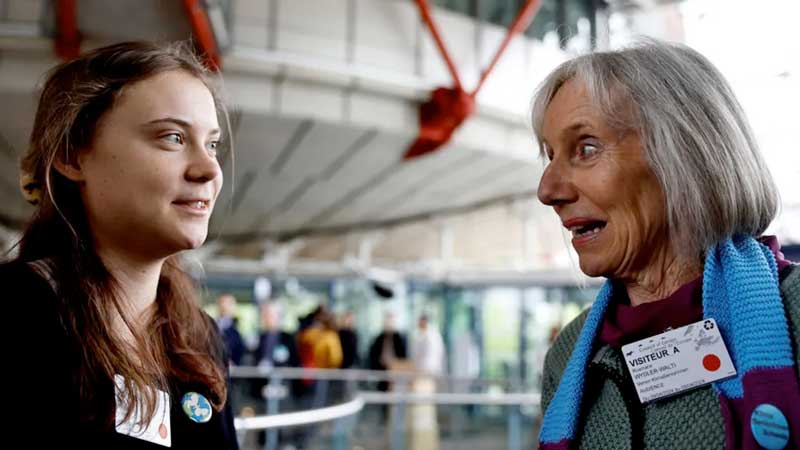
Older Swiss women win climate case at European Court of Human Rights.
Laurie Frankcom from Central Kootenays Invasive Species Society is proactive about keeping dealing trout disease from Kootenay system. Solita Work from West Kootenay Cycling Coalition outlines public sessions on Nelson Castlegar route proposal. Chris Hatch from Re.Climate explains polling analysis of Canadian opinion on climate action.
The EcoCentric is hosted by Keith Wiley noon Tuesdays on Kootenay Coop Radio 93.5 FM in Nelson and area and around the world on KootenayCoopRadio.com. The show is rebroadcast Sunday mornings at 9. Listen anytime here: TheEcoCentricRadioShow.ca.
April 9, 2024. Impacts of BC’s historic drought. Counting forestry costs in climate emissions.
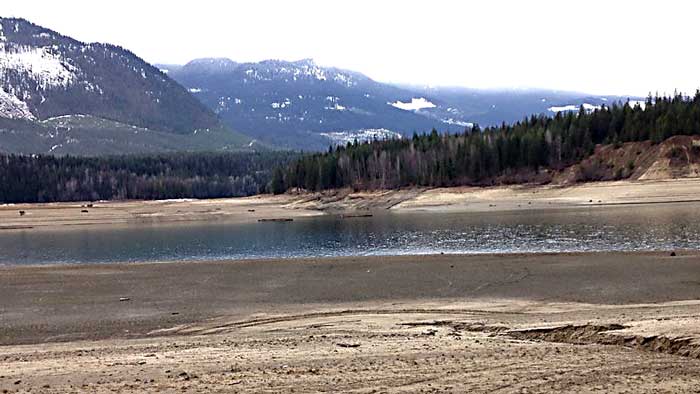
Local hydrological scientist Dr. Martin Carver talks about the impact of the drought in BC. The climate crisis impacts are here now, and in a big way. 2023 saw way extreme wildfire records across Canada, yet the Canadian government doesn’t accurately report forest effects on climate emissions. Michael Polanyi from Nature Canada tells us how we can do better.
The EcoCentric is hosted by Keith Wiley noon Tuesdays on Kootenay Coop Radio 93.5 FM in Nelson and area and around the world on KootenayCoopRadio.com. The show is rebroadcast Sunday mornings at 9. Listen anytime here: TheEcoCentricRadioShow.ca.
March 26, 2024 Active transportation in BC, a summit, e-bikes and local developments
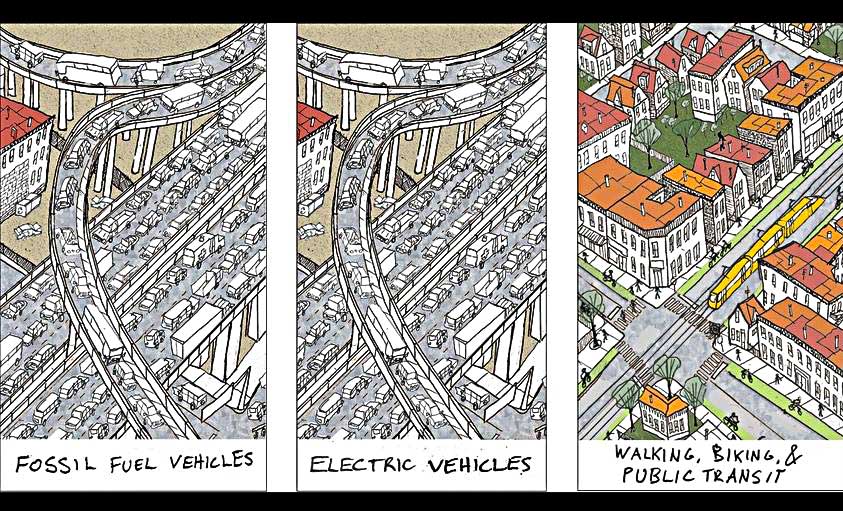
Chris Bullock from the East Kootenay Climate Hub about human-powered plans in the East Kootenay.
Derek Baker is a real e-bike booster. He started his own business, Ride All Day Ebike Repair, to help keep people rolling.
The BC Cycling Coalition is promoting a provincial summit on Active transportation talk about what’s working. Executive Director Mike Koski tells us about it.
The EcoCentric is hosted by Keith Wiley noon Tuesdays on Kootenay Coop Radio 93.5 FM in Nelson and area and around the world on KootenayCoopRadio.com. The show is rebroadcast Sunday mornings at 9. Listen anytime here: TheEcoCentricRadioShow.ca.
March 12, 2024. Secret plan to log old growth, monitoring lake health and national dream to boost buses
The BC government has promised to defer logging in ] big tree old growth forests, but Ben Parfitt has released leaked data showing that the Forest Ministry has secretly put over half the trees back into the logging plans.
Living Lakes Canada is looking for volunteer lake monitors with their National Lake Blitz. Local manager Camille Leblanc tells us about it.
A new national look at boosting public bus transportation says it’s a great way to reduce Canada’s climate emissions.
The EcoCentric is hosted by Keith Wiley noon Tuesdays on Kootenay Coop Radio 93.5 FM in Nelson and area and around the world on KootenayCoopRadio.com. The show is rebroadcast Sunday mornings at 9. Listen anytime here: TheEcoCentricRadioShow.ca.
March 5, 2024. Kootenay Car Share Coop news, proposed new BC coal mine, 10 year vision for public transit
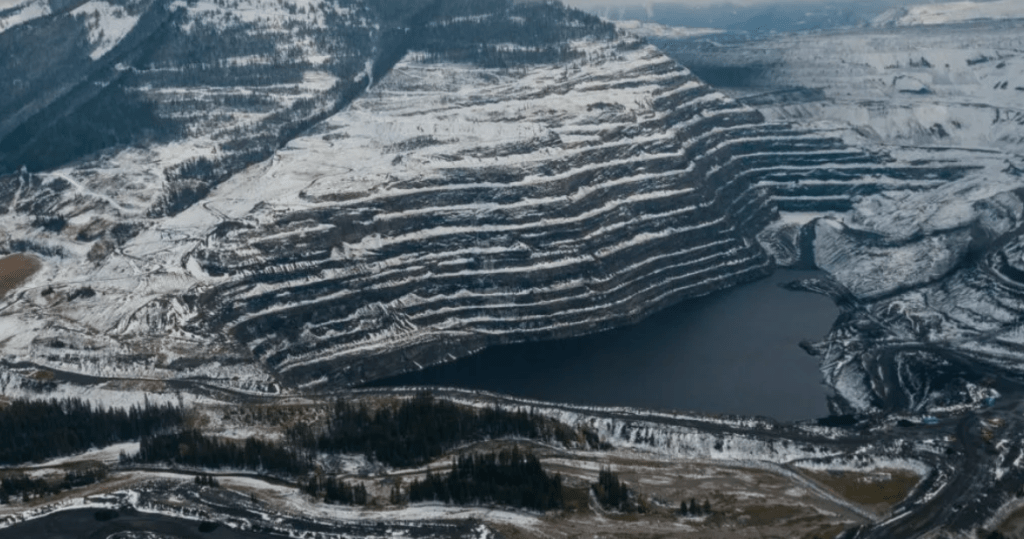
Coming up on the March 5, an update on the Kootenay Carshare Coop and its new Aircarshare program. Leslie Payne is serving as interim director of the Coop, and is also a Nelson City Councillor. A new coal mine for the Elk Valley north of the Crowsnest Pass is in the works and already opposition is mounting. Simon Wiebe from Wildsight gives us the lowdown on the plan for a sixth giant, selenium leaking mine in the region.
Economist Marc Lee laid out a ten-year vision for a massive increase in public transit in the province in a local webinar. Nelson City Councillor Rik Logtenberg details local transit expansion. We have some excerpts.
The EcoCentric is hosted by Keith Wiley noon Tuesdays on Kootenay Coop Radio 93.5 FM in Nelson and area and around the world on KootenayCoopRadio.com. The show is rebroadcast Sunday mornings at 9. Listen anytime here: TheEcoCentricRadioShow.ca.
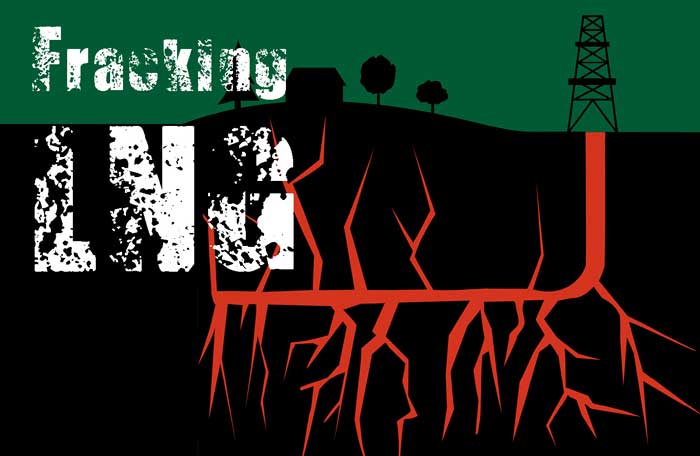
February 20, 2024. Kootenay Green business webinar, Fracking for Gas in New Brunswick and BC climate action discussion
The EcoCentric is hosted by Keith Wiley noon Tuesdays on Kootenay Coop Radio 93.5 FM in Nelson and area and around the world on KootenayCoopRadio.com. The show is rebroadcast Sunday mornings at 9. Listen anytime here: https://theecocentricradioshow.ca/hot-this-week/
February 13, 2024.
February 6, 2024. Analysis shows Canadian plans for net zero far from enough. Grassroots groups across BC campaigning on climate. Network brings them together.
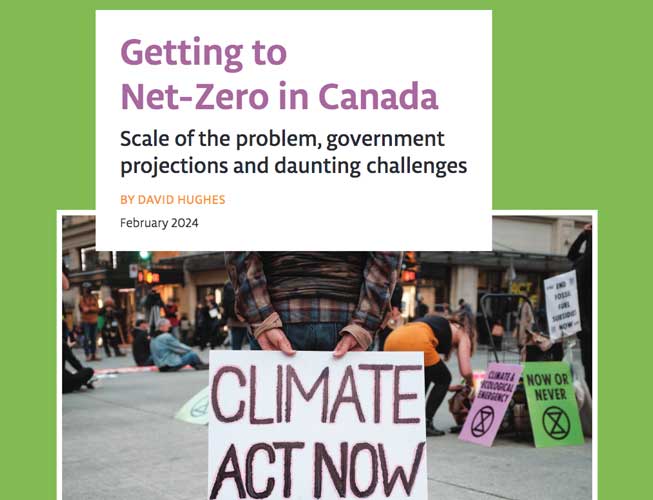
Renowned Canadian geologist Dave Hughes looks carefully at pipe dream net zero plans in Canada. Far more needs to be done than we have in the works. BC is getting heat with extreme climate events regularly, floods, heat domes, wildfires, droughts, extremely warm winters, the works. No wonder hundreds of groups across the province. Guy Dauncey from West Coast Climate Action Network talks about supporting and bringing together all those grassroots efforts.
The EcoCentric is hosted by Keith Wiley noon Tuesdays on Kootenay Coop Radio 93.5 FM in Nelson and area and around the world on KootenayCoopRadio.com. The show is rebroadcast Sunday mornings at 9.
Making climate action affordable for many more Canadians: Making ends meet. Federal Greener Homes program running out of funds. Campaign to protect local birds.
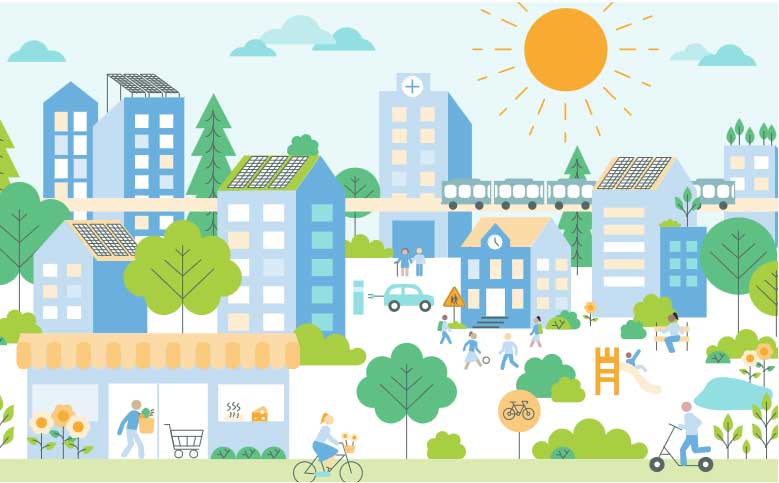
Some top Canadian experts have formed the Affordability Action Council and published a list of action recommendations for the federal government to help Canadians make ends meet AND reduce energy costs and emissions. The EcoCentric talks with Yasmin Abraham from Kambo Energy Group in Vancouver about the report, and about how climate action can be within reach of people who are now struggling just to keep from going deeper in debt.
The federal government announced last week that it is running out of money for the Greener Homes program, years before the end date of 2027. What does that mean for local folks who want to make houses cozier, lower emission and cheaper? Carmen Proctor, Nelson climate and energy manager tells us not to panic, the programs draw on many sources and will continue.
North America has lost 3 billion birds in recent years and Nelson’s Elizabeth Cunningham talks to us about getting Nelson on the map as a Bird Friendly City.
Regular features of the show include local eco events and environment news bits too.
The EcoCentric is hosted by Keith Wiley noon Tuesdays on Kootenay Coop Radio. The show is rebroadcast Sunday mornings at 9.
You can listen anytime on the show website: TheEcoCentricRadioShow.ca
January 30, 2024. Nelson raises parking meter fees, Councillor Leslie Payne and others talk parking, congestion and options for making Nelson more pedestrian friendly
Nelson is proposing a chunky increase in parking meter fees. Co-Host Solita Work from the West Kootenay Cycling Coalition talks about the parking issue in the city. And about the other transportation choices that can relieve the parking and traffic congestion crunch. Councillor Leslie Payne talks about Nelson’s broader parking policy. Area resident Megan Maglio who comes in to Nelson most business days talks about how this affects her. Charles Arnold, new co-owner of Gerick’s Cycle and Ski tells us about the business perspective on parking and about the idea of a more pedestrian-friendly Baker St.
Listen anytime at The Weekly Show…. Listen here!
January 23, 2024. Nelson’s Peak power during cold snap, and logging trucks rolling with trees from our backyard
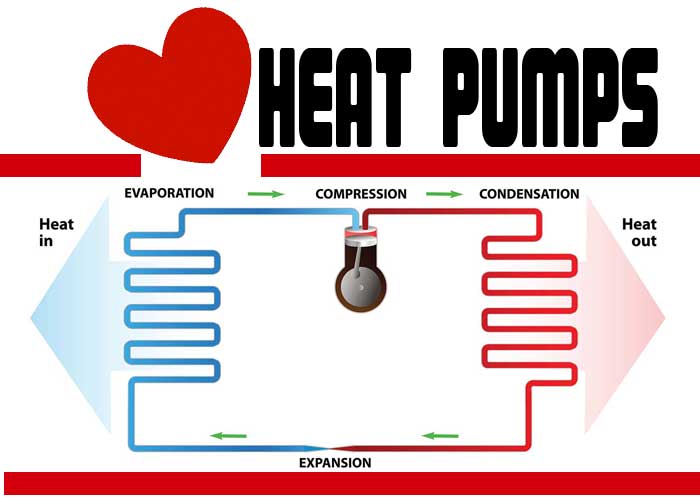
Coming up tomorrow, January 23rd on The EcoCentric at Noon on Kootenay Coop Radio, Nelson Hydro’s manager Scott Spencer explains why we hit a new peak power record during the cold snap and why it’s going to cost us more. Can we switch to heat pumps? Will the power be there?
We all see the big tree logs streaming steadily through Nelson on the logging trucks. It doesn’t seem there is any problem getting big trees to cut, even though we are talking about protecting old growth forests. But increasingly these trees are coming from forests right in our backyards. Local Joe Karthein tells us about logging plans just above Beasley and Sproule Creek.
LISTEN ON KOOTENAY COOP RADIO: NOON TUESDAYS, 9 am SUNDAYS.
January 16, 2024. Taylor Bachrach takes train for Christmas, train possibilities in Okanagan, emission caps on oil and gas
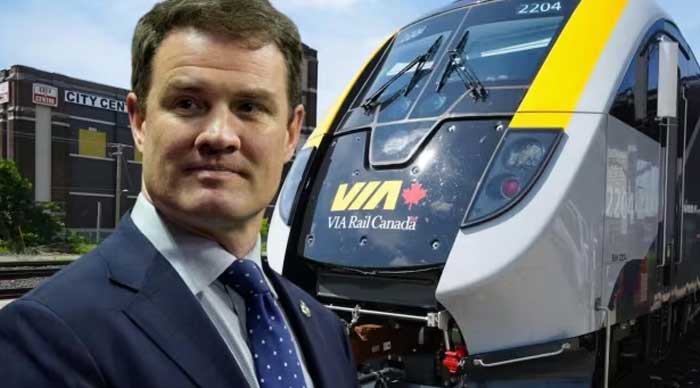
Skeena Bulkley Valley Member of Parliament Taylor Bachrach is the NDP’s transportation critic and he decided to take the train home for Christmas to highlight the problems VIA Rail has sharing railings with CN. He tells us about the trip and the future of train travel in Canada.
Dr. Gord Lovegrow is a University of BC at the Okanagan professor who has done a study on new local train travel systems in Canada and he tells us about one possible example, a local commute train up and down the Okanagan, Osoyoos to Kamloops.
Tom Green is a senior climate policy advisors with the David Suzuki Foundation and he explains the plans and problems with the new federal framework for a hard cap on climate pollution from Canada’s oil and gas sector.
And more: Events and News Bits all at Noon Tuesday, January 16 and 9 am Sunday January 21 on The EcoCentric on Kootenay Coop Radio.
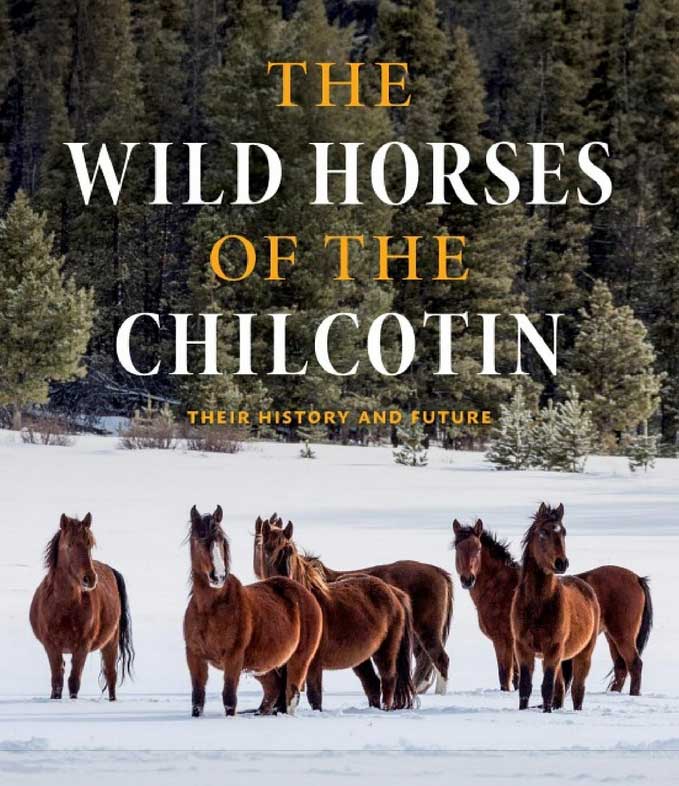
January 9, 2024. Local biologist and now author Wayne McCrory tells us how he came to write his best selling BC book about horses. The West Kootenay Climate Hub noon hour webinars are back, starting January 19th. Hub volunteer Becky Quirk tells us more. The BC government has promised to conserve far more of the province’s natural ecosystems, and Jens Wieting from the Sierra Club of BC tells us why you want to lean in… and how.
Plus more: Events and News Bits all at Noon Tuesday, January 9 and 9 am Sunday January 14 on The EcoCentric on Kootenay Coop Radio.
Launch of Kootenay Watershed group, feds announce cap on oil patch pollution, BC has money available for real changes
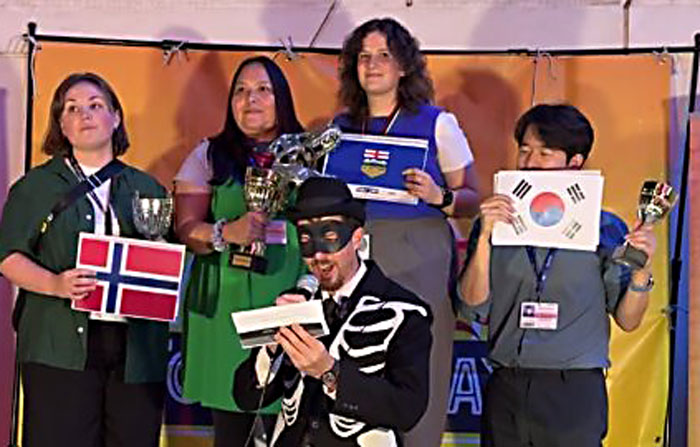
PROVINCE GETS DISTINCTION USUALLY RESERVED FOR COUNTRIES.
While Alberta was presented with the Fossil of Day award at the COP28 in Dubai, the Canadian government finally announced a watered-down “hard cap” on emissions from Canada’s fossil fuel industry. Aly Hyder Ali from Environmental Defense in Ottawa explains it for us.
The West Kootenay Watershed Collaborative launched this past weekend in Nelson. Ramona Faust tells us about the launch and what the group is doing.
Activists are always looking for the province to do more on crucial issues like building housing, really expanding public transit and transitioning our economy off fossil fuels. Facing many demands, politicians often say we can’t afford everything. But Alex Hemingway senior economist at the Canadian Centre for Policy Alternatives in BC has looked closely at how much the province can afford to spend. Billions more he says.
Plus more: Events and News Bits all at Noon Tuesday, December 12 and 9 am Sunday December 17 on The EcoCentric on Kootenay Coop Radio.
Future of Crowsnest coal mines, BC’s big ‘paradigm shift’ in resource management
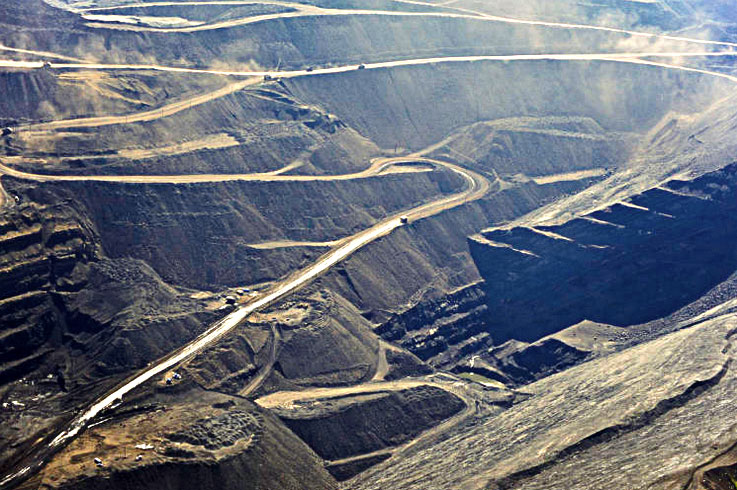
US President Joe Biden and Justin Trudeau promised to deal with the selenium pollution in the Elk and Kootenay River systems from the five giant Crowsnest area coal mines. Now Teck Resources has sold the mines, apparently at a bargain price, to Glencore a Swiss-based international mining conglomerate. Simon Wiebe from Wildsight BC talks about what this might mean for the future of the mines and the pollution.
Three big announcements on conserving BC ecosystems and changing how the province manages forestry came out from the BC government this fall. Journalist Arno Kopecky adds it all up in his piece on The Narwhal.ca. We talk to him for an overview and reaction.
Plus more: Events and News Bits all at Noon Tuesday, December 5 and 9 am Sunday December 10 on The EcoCentric on Kootenay Coop Radio.
The joy (and feasibility) of winter cycling in Nelson, Nov. 28, 2024 EcoCentric

This past Sunday, Nelson had it’s first Winter Cycling Expo. The City is giving away lots of winter cycling gear in a series of promotions of winter cycling.
Cecilia Jaques the City’s Senior Climate & Energy Strategist talks about the promotion, snow clearing, city cycling route progress and more. Sarah Simonet is a Nelson Uphill year-round cyclist who tells us how studded tires made the difference. Doug Dunlop, a Calgary winter cycling pioneer talks with Solita about how long he’s been commuting year round and hosts kids including young kids for winter actives, all-day, every day. Year round. With no car. Requires mittens. Lots of mittens.
November 27th show Hosted and Produced by Solita Work, from the West Kootenay Cycling Coalition.
The EcoCentric is produced by Keith Wiley noon Tuesdays on Kootenay Coop Radio. The show is rebroadcast Sunday mornings at 9.
You can listen anytime on the show website: TheEcoCentricRadioShow.ca
November 21 SHOW Nelson Hydro, BC NDP fails to discuss LNG, COP 28 Preview
Nelson Hydro is looking for a rate increase of over 5%. We pay some of the lowest power rates in the province because we own our own dam. The proposed increase is coming mostly from the higher cost of the extra power we have to buy on the market. To find out more about all this we spoke with Scott Spencer, manager of Nelson Hydro.
COP 28, the global climate summit starts November 30th in Dubai. To get an overview of what’s at issue and what we might expect we called up Alienor Rougeot the Climate and Energy Program manager at Environmental Defence based in Toronto.
Although resolutions came from members across BC on LNG and fracking none of them made it to the floor for debate at this past weekend’s BC NDP Convention. Outside Frack Free BC had a large rally protesting the huge climate emission increases caused by the fossil gas production. Ashley Zarbatney who used to Chair the BC NDP’s Climate and Economy.
LISTEN TUESDAY AT NOON, SUNDAYS AT 9 AM ON KOOTENAYCOOPRADIO.COM 93.5 FM IN NELSON
SPOKE AT THE RELEASE OF THE 2ND ANNUAL BC CLIMATE REPORT CARD.
Top Canadian experts talk about dealing with the climate crisis on The EcoCentric Noon Tuesday November 13th
Rachel Samson recently published a piece with the headline: Climate Policy That Doesn’t Make Life Unaffordable. She’s the Vice-President for Research at the Institute for Research on Public Policy, and a long-time policy research executive in the Canadian government including the Privy Council Office.
The BC Climate Emergency Campaign is a province-wide coalition of over 500 organizations who are looking for real action on the emergency that hits harder every year in the province. The Campaign recently gave the province failing grades for climate policy in its second annual report. Peter McCartney with the Wilderness Committee is part of the campaign and tells us how the province is headed toward missing all our climate targets.
Professor Nancy Olewiler, is an economist in the School of Public Policy at Simon Fraser University. She is also the Co-Chair of the B.C. Climate Solutions Council, the official government-appointed group overseeing climate policy in the province. The Solutions Council recently told the provincial government its Greenhouse Gas Reduction Strategy has a major problem with natural gas, methane, in new buildings. It’s a hot topic in BC right now.
The EcoCentric is hosted by Keith Wiley noon Tuesdays on Kootenay Coop Radio. The show is rebroadcast Sunday mornings at 9.
You can listen anytime on the show website: TheEcoCentricRadioShow.ca
New show Nov 7 and 12th, 2023
Keith Wiley

The EcoCentric this week…Noon Nov. 7 – and – 9 am Nov 12, Fair taxes. $1 Billion for Conservation in BC. Documentary on Columbia River system, the Treaty and the future.
This week: Three new exclusive interviews.
BC and the federal government announced they have committed $1 billion conservation efforts to protect 30% of BC by 2030. Local forest ecologist Rachel Holt says it’s good news, but only details will show if it will protect high value, old growth forests.
A new Report from Canadians for Tax Fairness shows that the bottom 90% of Canadians have reduced their emissions by 4 tonnes per person since 1990, but the top 1% increased their emissions by 34 tonnes per person. With fairer taxes Canada can afford a full green transition, says executive director Katrina Miller.
A new documentary about the Kootenay River system is called Changing Course: A river’s journey of reconnection. With many local interviews, the film shows how major dams for flood control and hydropower impacted the river dramatically. The Columbia River Treaty renegotiation between Canada and the United States is crucial to revitalizing its ecosystem health. We talk to the film’s producer Jon O’Riordan.
Download or Listen Anytime: click on The Weekly Show tab on TheEcoCentricRadioShow.ca
NOTE THAT: The show does not go up on a blog page at until AFTER it’s initially broadcast, Tuesdays at Noon. Then it goes up on: TheEcoCentricRadioShow.ca/ on THE WEEKLY SHOW tab.

Hooray for protecting wild nature: it’s not enough
December 13, 2022
With the big biodiversity Convention meeting in Montreal the federal and provincial governments have given us some great news about the Canada and BC plan to protect 30 percent of lands and waters by 2030, and 25 percent in just the next three years. Large parts of this new conservation effort will be done in collaboration with First Nations, through Indigenous Protected and Conserved Areas.
Candace Batycki from Yellowstone to Yukon Conservation Initiative (YtoY) is celebrating. She says “It comes at a critical time and represents a forward-thinking and large landscape scale approach to addressing some of the toughest environmental, social and economic concerns of our lives.”
The Valhalla Wilderness Society’s Craig Pettit was on the show last week talking about their proposals to protect vital connectivity corridors here in the interior. Although the province has cold-shouldered their proposals for over a decade, they may now get another look.
New Premier David Eby has given a significant mandate letter to the new Minister of Water, Land and Resource Stewardship Nathan Cullen. It says in part:
“…ensure our province enjoys the best of economic development while conserving wild spaces. Indigenous partners in this critical work can bring their expertise, knowledge, and priorities to the table to ensure this effort lasts for generations.”
I join in applauding this progress, but I have to add a grain of sour salt. Sorry for sounding greedy, but I think we need more. This commitment is NOT enough in our present crisis. The biodiversity AND climate crises, cumulative as they are, demand even greater action and change.
My cynical side notes that the BC NDP desperately needs a big win on the environment after dashing the hopes of thousands of members by kicking Anjali Appadurai out of the leadership campaign.
They are counting on this announcement but BC’s key problems remain, and they remain right there in Eby’s mandate: “the best of economic development” which I read as business-as-usual.
This government is continuing the Site C Dam debacle, continuing to promote and subsidize our gas fracking carbon bomb and still failing to protect crucial ancient forests. These all have devastating environmental impacts with consequences for BC and the entire planet.
The hard truth is that protecting parts of beautiful nature is candy coating on a poisonous business-as-usual pill.
The hard truth is that BC needs to envision and build a dramatic new plan for our economy and our relationship with the natural world.
The hard truth is we have to demand far less from the planet, from our ecosystems. We do actually have to move into a sustainable balance with nature. Urgently.
We have glimmers of people making it happen everywhere. It’s in farmers markets, in local regenerative agriculture, it’s in electric bikes and cars, in forestry co-ops and local wood manufacture. Saving wild salmon and sustainable fish harvesting. Our local organic dairy. People are eager to adopt life-sustaining economies. We deeply understand we have to take far less and give far more back.
We can celebrate this step forward protecting so much more of our natural world around us. And at the same time, we know its not enough and we are eager to change more.
Keith Wiley, Nelson BC.
Not one tree saved yet, BC’s talk and log continues

By Keith Wiley, Nov. 9 2021
You may have heard on the news in the past week that the BC government has DEFERRED logging on a lot of old growth trees in the province. The truth is that in the near future, maybe even for years, they haven’t stopped the logging of one single tree.
The talk and log scheme the BC government has announced on forestry and old growth is added proof they are ready to preside over the annihilation of the last of BC’s primary and ancient forests.
The government has responded to the crisis of the war in the woods with new forestry legislation and another old growth forests negotiation announcement. But no immediate stop in logging.
It’s a great public relations play to quiet down the crisis and suggest the forests are being taken care of.
It even got the headlines the government was aiming for, the Globe and Mail for example put in big type: “B.C. makes big commitment to save old-growth trees from further logging”
But the truth is the big commitment really was to more talking, to Talk And Log.
Back in 2020, a year and a half ago, the original Old Growth Strategic Review Panel called for the opposite of that: Stop Logging and then talk. They recommended an IMMEDIATE deferral of all old growth logging.
Instead, here is the very first line of the government’s November 2 announcement:
“The Province has announced its intention to work in partnership with First Nations to defer harvest of ancient, rare and priority large stands of old growth within 2.6 million hectares of B.C.’s most at-risk old-growth forests.”
In other words it’s a plan to talk, and later defer old growth logging WITHIN 2.6 million hectares, not stop logging of 2.6 million hectares. The weasel words are important, it’s not even a promise to protect the entire 2.6 million hectares, although that’s what reports say it is.
And in the meantime, there’s lots of talking. Forest Minister Katrine Conroy said:
“We have to make sure we do this right not only for the forests.. but we have to do this for the indigenous nations to make sure they are partners in this… for the communities that could be losing jobs… The last thing I want to do is do this quickly and not have it done properly.”
In the meantime, logging continues.
In an interesting twist, while the government says it is going to take time to ‘do things right’ it is giving First Nations just 30 days to decide if they support the plan or how they want to engage in consultations on it.
The First Nations Leadership Council was highly critical of being tossed what they call “the hot potato” of forest planning.
In their release, Robert Phillips, of the First Nations Summit Political Executive said: “The 30-day window identified by the Province for Nations to come forward with their response on deferrals is inadequate, and places extreme pressure on Nations already struggling with capacity issues and competing priorities.” He added: ‘Although the Province announced it is addressing old growth ‘in partnership with Indigenous Nations’ it does not feel that way right now.
Minister Katrine Conroy has promised to immediately stop new BC Timber Sales in ‘the affected areas’ which biologist Rachel Holt points out is a good thing.
In a recent CBC interview she said: “The BC Timber Sales piece is important and insufficient… it would be better if they were not moving ahead [with logging] in areas that are already sold…. We need to move the whole package forward in order to have any substantive impact.”
In other words logging of old growth continues. And as Rachel Holt points out: “You can only log a tree once, the idea is to stop important areas from being harvested in the short term… you can always harvest a tree, but you can’t put it back up when it’s been harvested.”
The announcement on old-growth logging was the second shoe to drop in the BC government’s logging ‘issues management’. The first came back in October with the introduction of amendments to the Forest and Range Practices Act. The government is planning an eight to ten-year period of talk and consultations before those changes come into effect.
In the meantime logging continues.
The government received its crucial Old Growth logging report in early 2020, didn’t release it until just before the election in the fall of 2020. Now, over a year and half later they are announcing not the immediate action the report called for but more consultations.
This past June the government put Rachel Holt on a new technical panel on old growth. Rachel Holt and colleagues had earlier given the government detailed maps and data on vulnerable old growth. This new technical group, now with Rachel Holt’s work in the mix, showed another 2.6 million hectares needing protection.
Stand.Earth’s Tegan Hansen said in a statement: “We applaud the work of the technical panel that has provided the public and government with a clear roadmap for old growth protection. But, the expected and needed response from the government is not another plan to implement deferrals in the future – it’s action right now.”
Rachel Holt welcomed the new announcement, but was also critical of the time lines. In the CBC interview she said:
“It would certainly would have been nice today if there had actually been areas that were in fact deferred from harvest. The whole point of deferrals is to prevent talk and log from happening and we’re still in that mode as of today.”
In Fairy Creek, and many other forests around the province, the ancient trees continue to be mowed down. Our forests and forest industry are in a circling-the-drain crisis of rapidly diminishing resources and habitat. The real problems of sustainability and healthy ecosystems have been pushed on to the future for too long, and people in BC recognize it cannot continue.
But the BC NDP government is playing a balancing act of protecting forestry profits, and jobs, and compromise and keeping everyone as happy as possible. It is continuing the old pattern of business-as-usual, tinkering around the edges, and let the future, now the very near future, suffer the consequences.
I will put links to much more information on the forestry crisis, including a link to the full CBC interview with Rachel Holt, on our website: TheEcoCentricRadioShow.ca
Climate emergency strikes hard with heat dome records and disaster
By Keith Wiley. July 6, 2021.
Well, that’s just great. Lytton BC, by getting incinerated, made the global climate headlines.
And it wasn’t just the fire, it was truly the record temperatures far higher than ever before.
We know how temperature records are broken, by a degree or less usually. But not Lytton.
Lytton holds the record for the highest temperature ever recorded in Canada with a record high of 49.6 °C on June 29th 2021, which was set during the 2021 western North America heat wave, after having already broken records twice during the previous days of that heat wave. This is the world’s highest temperature ever recorded north of 45°N latitude, the highest temperature ever in the U.S. or Canada recorded outside four US states of the desert southwest, and higher than the record high temperatures ever recorded for Europe or South America.
Before the 2021 heat wave occurred, Lytton, along with Lillooet, already had the hottest temperature ever recorded in Canada. On July 16 and 17, 1941, the temperature reached a then-record 44.4 °C. But 49.6 °C is more than 5 degrees higher.
In old-fashioned fahrenheit the record jumped from 111.9 °F to nearly 10 degrees higher 121.3 °F.
There can be no doubt that Lytton has become an historic marker of the climate crisis. In fact the whole heat dome phenomenon is marked by scientists world-wide as the most extreme climate crisis warning signal.
Meteorologist Bob Henson and former National Oceanic and Atmospheric Administration (NOAA) hurricane scientist Jeff Masters wrote in Yale Climate Connections:
“Never in the century-plus history of world weather observation have so many all-time heat records fallen by such a large margin than in the past week’s historic heatwave in western North America”.
Henson and Masters called Lytton the “poster community” of the “horrific” heatwave.
Weather historian Christopher Burt said “this is the most anomalous regional extreme heat event to occur anywhere on Earth since temperature records began.”
“Nothing can compare,” he said.
55 U.S. weather stations had the highest temperatures in their history in the week ending June 28,” More than 400 daily record highs were set.
Weather is highly variable and we all have seen records fall before, but when so many records are swept away, it is clear, even our oh-so cautious climate scientists are saying: this is a climate crisis.
And all this is tragic in its impact.
The BC Coroners Service reported 719 sudden deaths in the past week, triple the number that would normally occur in the province. Some 500 people, most of them vulnerable elders living without air conditioning could have died from the heat.
Chris Harley, a marine biologist at the University of British Columbia, now estimates that last week’s record-breaking heat wave in B.C. may have killed more than one billion seashore animals, mussels, sea stars and more, living along the Salish Sea coastline.
Local Kootenay scientist Greg Uitzig says without a lot of rain fast, many trees will be killed by drought and the extreme drying effect of the oven-like heat. Not just trees, but many plants and animals will be affected and hurt by this.
We are living in a movie-like disaster… happening around us as we watch.
I can only hope that this is a final wake up… Houston…. we have a problem… a giant global catastrophic problem. And we are going to have to move fast to prevent it getting far worse.
Last week’s election in the US was a pretty scary thing for Canadians and for the world.
by Keith Wiley, Nov 20 2020
The prospect of a majority of American white people re-electing a racist, sexist, lying megalomanic was pretty disturbing. And they nearly did. Some of the best commentary on this points out the deep white supremacy that underpins that vote. The other factor is that years of neoliberal government had impoverished and bankrupted middle class Americans and gave the corporate rich everything. Desperation in America.
No one thinks a Biden presidency is really going to change any of that much.
But one hopeful change is Biden’s commitment to actually agree there is a climate crisis and take steps to reduce emissions… and rejoin the Paris Climate accord.
In an historical quirk, the US formally ended its commitment to the Paris deal on November 4th, the day AFTER the election… as the former president gave notice a year earlier. With any luck, US absence from the deal will be fixed early next year.
Former Liberal environment Minister Catherine McKenna says “It will make a big difference to have the US back in the #ParisAgreement, joining Canada and like minded countries pushing hard for ambitious climate action.”
We can hope.
Another factor is Biden’s commitment to cancel the Keystone XL pipeline, which he can do with executive order and without the need for Senate approval. It seems likely he will stop that pipeline.
Canada and Alberta will fight hard against it of course, because we believe we can increase production of the dirty bitumen from the tar sands AND fight climate change.
That Liberal logic still baffles. By increasing emissions we can reduce emissions. That’s how we explain we are building pipelines.
This baffling petrostate thinking is pretty rock solid in our governments’ plans.
A new policy group based at the University of Ottawa outlines this pretty clearly in a report on its research on Canadians’ malleable attitudes on oil and climate. The group is called Positive Energy and its advisors come from the Canadian Association of Petroleum Producers, other oil patch executives and – interestingly – the head of the BC Oil and Gas Commission.
The conclusion of their peek into the opinions of Canadians is this: “Canadians are generally optimistic that Canada can align climate action with oil and gas development.”
Decrease and increase emissions. But as we shall hear on today’s show, it can’t be done. Senior geologist J.DAvid Hughes has publicshed a new study that makes it clear expanding the tar sands makes it impossible for Canada to meet its Paris Targets.
And we know that in BC, building the LNG plant makes it impossible for BC to meet our emission reduction targets.
But as long as they can convince Canadians we can have our cake and eat it too, as gritty as that damn bitumen is, they are going to give it a go.
That’s what the great minds at Positive Energy think. They are on the project, as they say: “ building a multi-generational, pan-Canadian coalition” that supports growing emissions and magic fighting of the climate crisis.
How did we end up here? We started with the good news of the Biden victory and ended up, again, at Canada’s petrostate conundrum. This one is really NOT Biden’s fault.
Difficult decisions seem to be pretty much impossible in Canadian politics.
It’s fascinating how CBC Radio and News are doing a great job of covering the revolt against police fascist racism.
The best insight on how it affects Canada was one I heard on Michael Enright’s Sunday Edition. McGill University History Prof, Wendell Nii Laryea Adjetey commented on how Canadians love to watch violent racism in the U.S. and feel so much better about ourselves. He explained it really works for the Canadian elites to show off “the Canadian dream”.
And the historian says it is a dream… an illusion created in part as he says “By pointing to the plank in your neighbour’s eye…”
He talked about the devastating riots in Detroit in 1967 and how Canadians in Windsor would stroll the banks of the river to ogle the burning of the city across the way. He compared it to white southerners having a picnic at a lynching.
We even have provincial premiers saying… no problems here…. that’s the dream alright.
Canadian governments really play this game… and the CBC collaborates, with all kinds of coverage of the American uprising… and police violence… and clips of Canadian police officers “taking a knee” and even the Prime Minister kneeling for nine minutes.
But still, CBC radio coverage has been quite good. Eleanor Wachtel, on her popular high brow literary show, had on poet Jericho Brown, winner of the Pulitizer Prize for poetry. He was extremely powerful, speaking from his experience as a gay, black American poet.
Even the CBC Vancouver Saturday afternoon jazz show, Hot Air, featured one of The Sojourners… Kharie Wendel McLelland…. about how black artists respond to injustice through music. They played some amazing music including Nina Simone’s Mississippi Goddam, extremely potent and sadly relevant.
The power of the American police state, as the poet Jericho Brown explained, is immense. It imposes a widespread fear and compliance in Afro Americans. It is not policing official policy or rules… it is police culture. A culture of force and fear. It works very well at maintaining a desperate black underclass. It is supported by the “war on drugs” which has clearly been shown to be a war of suppression of black resistance.
Police culture does not stop at the border, and we have many examples in the last week of brutal police force used against black Canadians and aboriginal people. The rates of imprisonment of black Canadians are higher than white Canadians, and its far worse yet for indigenous people.
One of the most interesting aspects of some of the civil disobedience training I have been involved with is the need to always pay attention to violent police tactics with racialized protestors, particularly indigenous protestors. A white lady might be politely escorted away, a First Nations woman… slammed to the ground.
And police culture is stubbornly resistant to change. The RCMP has been severely criticized by watchdogs and the public for many years. But change is glacial. The civilian complaints commission can’t even get responses from the RCMP leadership on complaints about RCMP violence and excess.
It’s a hopeful sign that the massive uprising is now demanding a “dismantling” of police forces. Far more concrete and specific than “equal treatment for all,” this demand gives a sense of potential for real change.
Imagine eliminating the police as the weapon of the state against its own people.
Minneapolis city councillors say they’ll do it. And the demand is coming up in Canadian cities, like Montreal, too.
So now, dismantling policing as we know it is a real discussion. We are asking if Canadian police can handle peaceful protest, should it be with tear gas and pepper spray? Maybe that’s not acceptable. Snipers in the woods with rifles trained on aboriginal activists peacefully protesting fossil fuel infrastructure? That for sure is beyond the pale.
But that is what’s done.
Canada is NOT so different from America… much as we love to believe we’re completely better, we’re not.
Hurrying up to fight the
climate emergency, uh, really?
EcoCentric Editorial by Keith Wiley, Dec. 3, 2019
You may have noticed that, overall, I’m getting impatient with zero action on climate change…at least zero action with the immediate effect that’s called for.
You might be getting a little antsy about this too.
It actually IS a climate emergency. It’s not just a slogan…. The world is in emergency…
I happen to think that every kilo of carbon dioxide that we keep out of the atmosphere, makes the future of the world better.
And because I read about the science, I realize that every day sooner that we cut that kilo of emissions, the better.
A kilo of CO2 today is worth 50 kilos in 50 years.
That’s right every kilo more, every day sooner… improves the world tomorrow.
Clearly, I get why each kilo saved is some kind of heat unit saved. But why sooner?
Well, for one reason, I’ve been in BC long enough to know that ‘talk and log’ is a thing.
The longer you negotiate, while logging, the more hectares you can massacre.
It’s sort of the same with cutting emissions, the longer you put it off, the more you profit.
Talk and log. And the worse our future looks.
You see it today… in the amazing prevalence of making a plan to reduce emissions. But the first step of course is to make a plan on how you’re going to make a plan.
And then if that gets sidetracked… somehow… I don’t know how… it IS an emergency… if somehow that plan isn’t ready to be implemented before long a new cycle starts, from scratch, on a new plan.
We are collectively procrastinating on saving our planet! Can you believe it?
That’s why there are good reasons for more action and more political action now. That’s why things like a full Citizens Assembly are a good idea.
We we are making a start with an Action Event on the idea of the GREEN NEW DEAL. We’re getting together this Thursday, December 5th and voting on planks in a Green New Deal ACT NOW statement.
We have 18 action items to choose from. It runs across many areas, like: Eliminate huge economic inequality. Higher taxes on the wealthy. Tax large Inheritances. Universal basic income. And of course there are others on Keep it in the Ground, the theme of eliminating fossil fuel subsidies and reducing production.
Once the meeting selects the top priorities for the ACT NOW Statement we will be using it to lobby governments to actually get started and stop the planning to plan procrastination cycle.
Here’s what people decided on December 5, 2019
Green New Deal
ACT NOW
Nelson Statement
December 5, 2019
1. Uphold Indigenous Rights
Fully implement the United Nations Declaration on the Rights of Indigenous Peoples, and the right to Free, Prior and Informed Consent, recognition of Indigenous title and rights. Implement the Truth and Reconciliation Commission and the Final Report of the National Inquiry into Missing and Murdered Indigenous Women and Girls.
2. Keep it in the Ground
Freeze construction and/or approval of all new fossil fuel extraction and transportation projects. Stop ALL fossil fuel subsidies from federal or provincial governments.
3. Protect Biodiversity and Nature
Enact laws that grant personhood protections to our forests and bodies of water, and create an environmental bill of rights, stop the dumping of waste into bodies of water, enshrine the right of all people to clean air, clean water, healthy food, and a safe environment, protect at least 30 percent of land and waters by 2030.
4. Massive investment in green energy, transit and housing.
Ensure sustainable, financially and physically accessible public transportation for everyone. Make massive investments in infrastructure to build a 100% renewable economy including food justice, public transportation and public housing. Use free public education to make change, teach simple living and outdoor enjoyment. Retrain workers in unsustainable industries including oil and gas.
5. Real emissions reduction targets that will keep warming below 1.5 Cº
Legally binding GHG reduction targets with specific actions, time lines and metrics used to monitor progress.
6. Carbon Tax and Cut military spending
Substantially increase the carbon tax/carbon price using a fee and dividend model, much like the Federal plan, with 10% going to green infrastructure upgrades. Cut military spending and waste. Warfare is extremely energy intensive and polluting, and cannot be exempt from climate change treaties.
7. Wealth Redistribution and Limit corporate power
Eliminate huge economic inequality. Higher taxes on the wealthy. Tax large Inheritances. Universal basic income. Curb corporate power, expand democratic power with proportional representation. Use taxation to check corporate wealth and power, close tax loopholes, limit and regulate lobbying.
Don’t politicians get it?
Unpacking the political paralysis in our country
EcoCentric Editorial by Keith Wiley Feb. 5, 2019
Monday, February 4th, I was in front of our MLA Michelle Mungall’s office with a bunch of people determined to stop the LNG and RCMP attack on Wet’suwet’en territory.
One young woman inside the office, bike-locked herself to the MLA office front door.
They are putting on lots of pressure.
Many other folks, particularly young folks, ask me why the government is doing these things. Why aren’t they moving faster to deal with the climate crisis and begin respectful relationships with First Nations.
Don’t they get it? they ask.
What part of climate crisis don’t they understand? What’s wrong with our prime minister and all our leaders? They talk about reconciliation but now when things get serious…. they arrest First Nations land defenders.
Are they stupid or just selfish?
How can they continue to push multi-billion dollar projects that increase fossil fuel emissions when all the evidence says it’s the wrong way to go?
I admit it’s baffling that our governments, the sunny-ways Trudeau government… and the NDP governments in Alberta and BC… push pipelines, LNG and bitumen, and over the objections of First Nations.
But I can explain the political dynamic that creates these contradictions.
It begins with the giant popularity contest that comes up every four years or so… you know the one, we call it a democratic election.
But it’s not really so democractic.. democracy would mean choosing the people who clearly tell you about the plan they want for your country or province and then implement it if they get elected.
But that doesn’t seem to be the way it works here. Governments who face issues like climate change or environmental collapse or even the mining of our forests, need to make hard decisions to do the right thing. But hard decisions often mean painful changes for voters. For example, raising carbon taxes effectively high, would cost most households. Eliminating fossil-fueled vehicles would make transportation slower and more difficult… at least in the short run.
Makng forestry sustainable… and ending the carnage and raw log exports… would reduce jobs in forestry. In the medium and longer term, it assures an ongoing resource… but between now and the next election, it likely would mean fewer jobs in forestry.
That’s not popular with voters. That’s why NDP strategists say…. if we get too environmental, people will have to face real changes… and they’ll hate us and vote us out. If the liberals or conservatives get in, things will get much worse not better. So let’s go easy, we can’t go faster than the people can take.
It’s hard to disagree with that.
The wing of the NDP that wins the elections is the pragmatic politics group who put together the careful, focus-grouped campaigns to win the big popularity contest. They don’t want to move fast, and make their voters uncomfortable.
Be realistic, they say.
(This by the way is the reason many veterans in the NDP hate movements like The Leap Manifesto, it’s unrealistic and, they say, will result in right-wing governments.)
And they know at election time most of us will be bullied into voting for them anyway, or else the much worse guys will get in. Activists are the ones who distrust the big business parties the most… and we are easily convinced we have to vote NDP to avoid worse.
But more and more of us say it is completely unrealistic to fail to tackle the big problems that are already causing huge economic disruption and misery.
Being realistic to me means making major changes to avoid catastrophe.
I don’t think our politicians are stupid or incompetent. I don’t think they are evil or even really corrupt for personal gain. They are well-meaning people locked in a flawed political system.
Politically we are structurally screwed. Paralyzed by the way the system works.
Keeping up the real pressure with protest and brave and determined actions does make politicians nervous… but really only because it will – after much effort – hurt their chances in the big contest.
As politicians often say, there is only one poll that counts… and it only happens every four years or so.
I don’t like to demonize politicians like Michelle Mungall. At the same time she must be held to account when she repeats the careful messages of her party and her government and refuses to change a disastrous course.
The only real argument that will really move a politician – like Michelle Mungall – is a refusal to vote for them again.
Colonization-as-usual
January 15, 2019
In the environmental movement we often say that the world has to change and we cannot go on with business-as-usual.
This past week up on Wet’suwet’en Territory – where land defenders were on the planned route of the Coastal GasLink pipeline – it actually turned out to be colonization-as-usual. On Monday, January 7th the RCMP tactical squad arrived, complete with military-mode machine gun soldiers, and threatened to rip defenders off their barricade and break their arms. They then wrestled to the ground and pinned several people, arrested 14 and carted them away from their Territory to jail in Prince George.
Many great videos with testimonies of what actually happened in the attack have circulated on social media.
Last Tuesday, January 8th, there were rallies protesting the RCMP attack and supporting Wet’suwet’en sovereignty right across Canada, in over 50 communities.
In Vancouver activists blocked the road to the Port of Vancouver. In Toronto they held a round dance and blockaded a major freeway. Mohawk activists blocked one Ontario highway and went in a caravan to massively disrupt traffic on Canada’s biggest freeway, the 401.
This widespread and loud protest all across the country was NOT reported well in the national news media.
The Nelson Star, to their credit, put a picture on the front page. The rally started in front of the office Minister of Energy, Mines and Petroleum Resources, our MLA, MIchelle Mungall. They marched the full length of Baker St. Winding up in front of Nelson City Hall, they sang: What are you going to tell your grandchildren? When they ask you… what have you done?
A second protest took place the following day when nearly 50 more people met in front of the MLA Office and also rallied up and down Baker St. And a drum circle followed up on Saturday at Hume School.
In Seattle Extinction Rebellion protestors blocked an important intersection and several were arrested and at least one seriously injured by Seattle police. They also were supporting the Wet’suwet’en.
If you do just a bit of research you discover that the hereditary Wet’suwet’en chiefs – who actually have authority over the land that the pipline crosses – have NEVER agreed. Although government sanctioned band chiefs did sign deals… the Wet’suwet’en nation never approved any deal. The Wet’suwet’en have always maintained their traditional, and representative, governance system. They have had an unbroken government for many, many generations before Canada was ever conceived of. They have no treaty. The Supreme Court has acknowledged it is completely unceded territory. The UN Declaration on the Rights of Indigenous Peoples applies: no pipeline can be legally built without their previous, free and informed consent.
But police with machine guns… continued with colonization as usual in BC last week.
As you likely know, the Wet’suwet’en chiefs compromised to protect the safety of their valiant activists from police violence. They have allowed gas company surveryors in. But they have stridently been clear: there still is no agreement for a gas pipeline.
What does colonization-as-usual look like in BC these days? Premier John Horgan says it’s up to the courts and police… Prime Minster Trudeau says he’s still strongly working for reconciliation and even NDP Leader Jagmeet Sing said: “I’ve already mentioned my support for this project, given they’ve done consultation in a very meaningful way, broadly speaking.”
That’s the same Jagmeet Singh who was on this program just back in December talking about how reducing fossil fuel emissions is a planetary necessity. Just like Horgan and Trudeau, Jagmeet Singh put himself on the wrong side of history.
Elizabeth May in contrast, did not play politics with the issue, but stood clearly and strongly with the Wet’suwet’en.
TUESDAY, MAY 27, 2025
Repeat show of some of the best recent interviews. Big changes in tone and direction for BC forest management. BC government
 Longest running Enviro News show on the Radio!