
LISTEN OR DOWNLOAD SHOW HERE:
The Zincton backcountry resort proposal near New Denver is in a crucial public comment phase, and we have KL Kivi talking about the Autonomous Sinix’t response to the proposal and Nicky Blackshaw from thewildconnection.ca telling us how to have our say.
COP26 in Glasgow is getting lots of coverage and two local Nelson activists Jamie Hunter and Linn Murray are there. Jamie Hunter talked to us before he left.
Forestry Minister Katrine Conroy introduced changes to the main forestry legislation, The Forest and Range Practices Act earlier in October. Jens Wieting from the Sierra Club of BC helps sort through what it means.
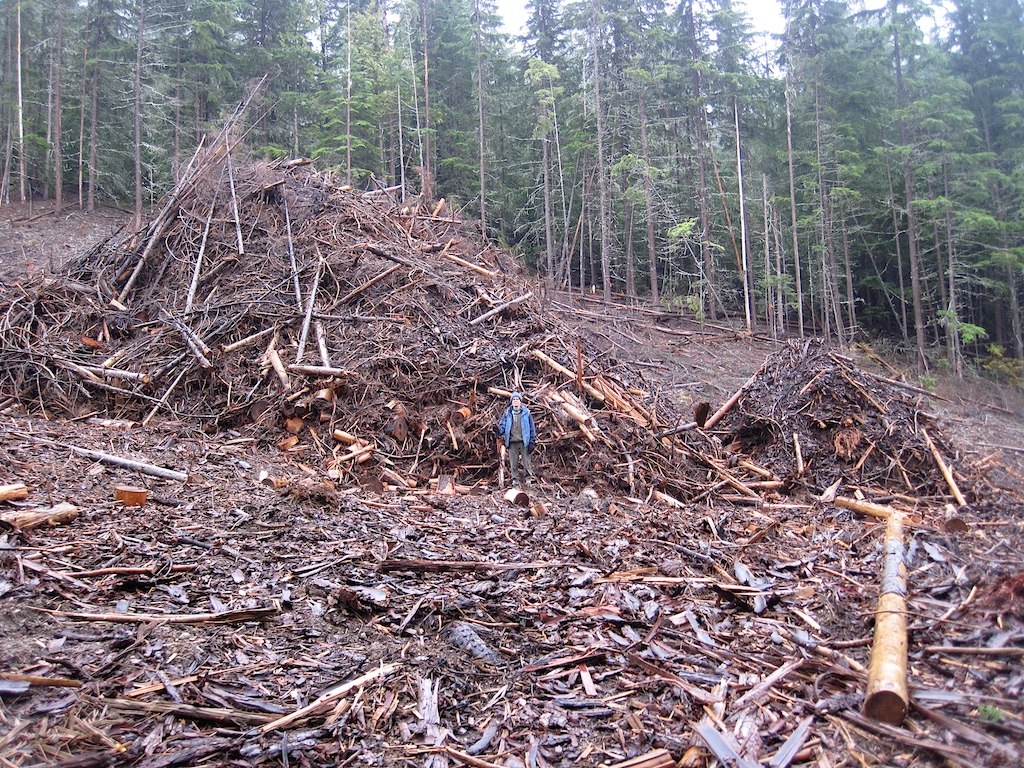
A group who took a stroll high up above Mountain Station to look at the clear cut logging happening right above Nelson. Fred Richer describes what they saw.
LINKS FOR THIS WEEK
How to have input on Zincton proposal:
TheWildConnection.ca
Sierra Club of BC Old Growth Action
https://sierraclub.bc.ca/tell-forest-minister-katrine-conroy-to-protect-old-growth-now/
Fridays for Future West Kootenays}
https://www.facebook.com/fridaysforfuturewestkootenay
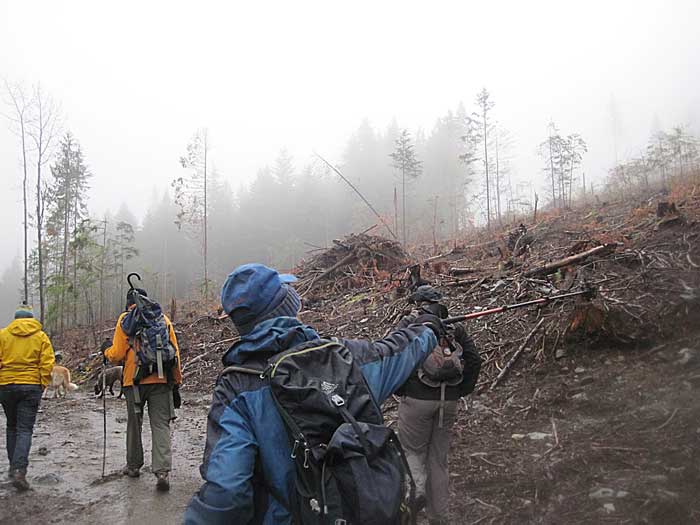
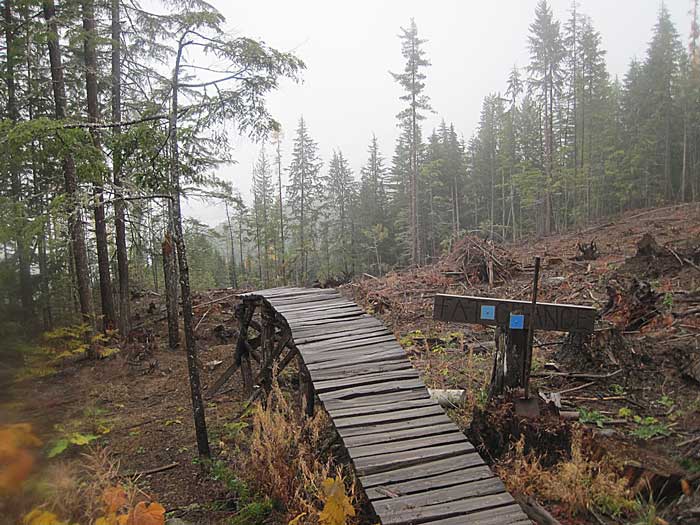

WALKING THROUGH CUTBLOCKS ABOVE NELSON, OCTOBER 29, 2021
ENVIRONMENT NEWS FOR NOVEMBER 2, 2021
The British Columbia government has introduced Bill 26 in the provincial legislature to finally dissolve the Jumbo Glacier Resort Municipality.
In 2020, the announcement of the Indigenous Protected and Conserved Area in Qat’muk put an end to Jumbo Glacier resort development, but the “municipality” the ‘town with no citizens’ is still going, with an appointed mayor and council. The municipality was created back in 2013 and the West Kootenay EcoSociety took it to court at the time, challenging the legality of paying a major and council who had no citizens to serve. But that case lost in court.
This final closure to the Jumbo Resort saga is welcomed by all opponents including the Ktunaxa natioin.
“The Ktunaxa Nation Council thanks all those who stood beside us during this this long, protracted fight, and those partners who stand with us going forward,” said Ktunaxa Nation Council Chair Kathryn Teneese. “In some ways the hard work is over, but in other ways, it is just beginning.
_____________________________________
A big win in Nova Scotia this past week as Alton Gas announced that it will be decommissioning its Natural Gas Storage Project in the province.
After eight years of constant resistance from Mi’kmaw water protectors, grassroots grandmothers, Elders, youth, and settler allies, including Council of Canadians supporters from across Mi’kma’ki.
The water protectors proclaimed a huge victory for grassroots resistance. Years of organizing, a diversity of tactics, enormous participation by a diversity of people, and a constant commitment to protecting the lands and waters along the Sipekne’katik River have led to this success.
_____________________________________
India’s Prime Minister Narendra Modi may have disappointed many activists in Glasgow on Monday when he only promised a 2070 deadline to bring his country’s greenhouse gas emissions to net-zero.
But others point out though India’s goal is two decades behind rich nations such as the U.S. and U.K., it’s compatible with what scientists say is needed to avoid catastrophic global warming.”
The pledge was backed by plans to install 500 gigawatts of non-fossil electricity and meet half of the country’s power needs from renewables by 2030, reduce its “total projected carbon emissions” by a billion tonnes by the end of this decade, and reduce the carbon intensity of its economy by 45%, according to India Today.
That added up to a 2030 target that would put India on track to achieve its 2070 goal—in contrast to a large proportion of national and corporate net-zero promises that have been long on 2050 spin, but short on 2030 real reduction action.
_____________________________________
Prime Minister Trudeau gave a short two minute speech at the Glasglow summit on Monday. The speech repeated only past promises and commitments by the government, and Trudeau offered no new or more ambitious commitments. He repeated that Canada will impose a cap on greenhouse gas emissions from fossil fuels. That is very different from a cap on production. Canada can continue increasing oil and gas production for export, as long as we don’t increase our made in Canada emissions.
It is NOT a promise to keep it in the ground.
There was nothing new on Canada’s 2030 plan to reduce emissions by 40 to 45% and the Prime Minister continued to focus on net zero by 2050, a target that critics point out allows continued oil and gas use and emissions.
But Trudeau said that capping emissions and promising net zero by 2050 is in his words “no small task for a major oil and gas producing country. It’s a big step that’s absolutely necessary.”
______________________________
More than 20 environmental organizations are calling on the federal government to reintroduce a bill on environmental racism in Canada.
Bill C-230 would require the federal government to collect data on links between environmental hazards, race, socioeconomic status, and health, and compel the environment and climate change minister to develop a national strategy to address the harms caused by environmental racism.
Originally introduced by former Liberal MP Lenore Zann, the bill had made its way to the final stage of debate in the House and gained the support of all parties except the Conservatives.
But before it could proceed to a third reading in the fall, an election was called and Bill C-230 died on the order paper.
______________________________
After years of blaming limited pipeline access for the low price they’ve had to charge for their product, Alberta’s oil patch is seeing a new problem.
“Canadian heavy crude’s price collapsed at the U.S. trading hub of Cushing as refiners shun heavy and higher-sulphur crude for lighter grades that are less expensive to process in refineries,” Bloomberg News reported Friday.
The news report had the standard Canadian brand of crude oil, Western Canadian Select, selling for US$9 per barrel less than its American equivalent, West Texas Intermediate, the biggest price difference in two years. On Sunday, Oilprice.com was reporting an even bigger differential of $16.51 per barrel.
Bloomberg says the price of Canadian oil “weakened” at the central oil trading hub in Cushing, Oklahoma, after the newly-rebuilt Line 3 pipeline increased the flow of Canadian oil into the U.S.
______________________________
Climate researcher and author Seth Klein is criticizing the BC new Clean BC Road Map in a recent piece on the National Observer. Klein says he doubts the Road Map will get BC to its 2030 emission reduction targets.
Klein notes that:
“The B.C. government is keen to protect its reputation as a climate leader, and repeatedly claims its plan is “continent-leading.”
But Klein points out: B.C. is now a climate follower. The few substantive new elements of the Roadmap are, in fact, simply B.C. instituting what the federal climate plan will now require of all provinces:
• The carbon tax will gradually increase to $170/tonne by 2030;
• Methane regulations will be tightened;
• The date by which all new light-duty vehicles must be zero-emission shifts modestly from 2040 to 2035.
All these are measures the federal government has announced it is making the law of the land.
https://www.nationalobserver.com/2021/10/27/opinion/bc-moves-leader-follower-new-climate-plan
______________________________
General Motors plans to install 4,000 charging stations in Canada as part of a push by the carmaker to invest more heavily into electric vehicles.
The Detroit-based company says it plans to install 40,000 stations across the U.S. and Canada over the next year, part of a pledge to spend $750 million US to beef up its electric vehicle infrastructure by 2025.
“We expect 10 per cent of the total number of chargers for the Canadian market,” the company told CBC News in a statement.
The company says the charging stations will be installed at GM dealerships, but also at various other workplaces, multi-unit dwellings, sports and entertainment venues and college and universities.
The charging stations will be available to use by anyone with an electric vehicle, not just people with one built by GM, the company said.
______________________________
VANCOUVER — Heavy-duty vehicles are difficult to decarbonize, and the heaviest of heavy trucks – weighing up to 63,500 kilograms – are especially challenging due to their high energy demands, small business ownership, and typically small profit margins. In How to Lighten the Climate Load, the Pembina Institute assesses the viability of emerging technology and fuel options, and the programs and regulations, that support the decarbonization of the heaviest trucks in British Columbia and the transportation sector more broadly.
Technologies assessed include battery electric trucks, hydrogen fuel cell electric trucks, biofuels (biodiesel and renewable diesel), and natural gas (including renewable natural gas); the performance of each was compared to a diesel baseline. Researchers concluded each presents trade-offs in terms of life cycle GHG emissions, air pollutant emissions, cost, technological maturity, charging/fuelling infrastructure availability, and more.
 Longest running Enviro News show on the Radio!